The best wireless phone charger for 2025 integrates convenience, speed, and safety, with top options like the Anker MagGo 3-in-1 Charging Station offering 15W Qi2 charging for multiple devices. Key factors in choosing include compatibility with standards like Qi, MagSafe, or Qi2, desired wattage (5W to 25W+), and form factor such as pads, stands, or multi-device stations. Safety features like overheat protection and Foreign Object Detection (FOD) are also crucial for protecting your devices.
Why Go Wireless? The Convenience You Deserve
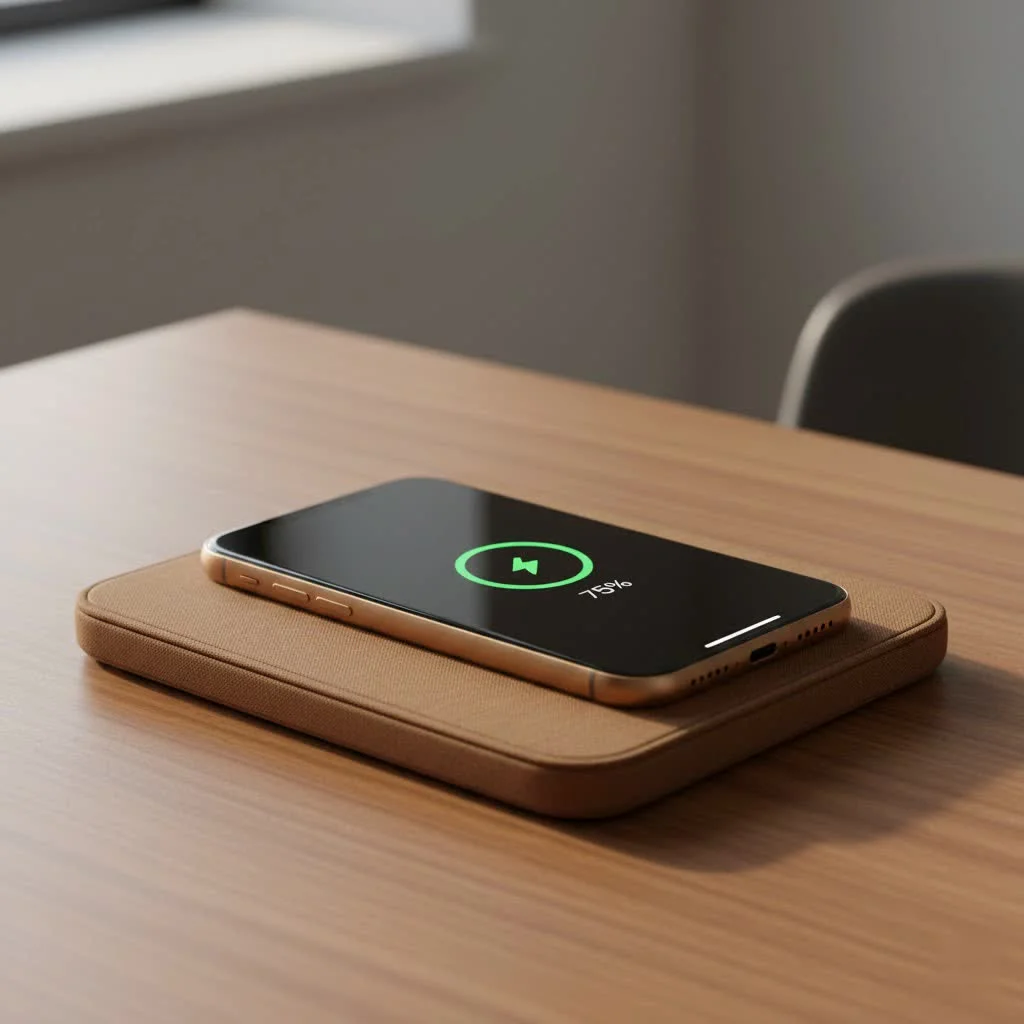
The primary benefit of wireless charging is unparalleled convenience. Users can simply place their phone on a sleek pad or stand to initiate charging, eliminating the need to fumble with cables or worry about worn-out charging ports. This “set it and forget it” approach creates a seamless charging ecosystem at home, in the office, or even in a car, freeing up ports for other accessories and reducing wear and tear on devices. For complete wireless chargers library on this site.
Unpacking the Wireless Charging Standards: Qi, MagSafe, and Qi2
Before diving into specific recommendations for the best wireless phone charger, it’s crucial to understand the technology powering them. These standards dictate how your charger and phone communicate.
What is the Qi Standard?
The Qi (pronounced “chee”) standard is the foundational technology for wireless charging, developed by the Wireless Power Consortium. It’s an open, universal standard adopted by most major phone manufacturers, including Samsung, Google, and Apple (for iPhones 8 and later). Qi chargers use electromagnetic induction to transfer power, allowing compatible devices to charge by simply being placed on the pad. It is widely available and generally affordable, ensuring broad compatibility.
MagSafe: Apple’s Magnetic Advantage
Apple introduced MagSafe with the iPhone 12, enhancing the Qi standard with magnetic alignment. MagSafe chargers feature precisely aligned magnets that snap iPhones into the perfect charging position, ensuring optimal power transfer and faster charging speeds for Apple devices, typically up to 15W. This magnetic connection also supports an ecosystem of accessories. While MagSafe chargers can charge other Qi-compatible devices, they may not provide full magnetic alignment or speed to non-MagSafe phones.
The Rise of Qi2: Bridging the Gap
The new Qi2 standard, emerging in 2025, is a significant advancement inspired by Apple’s MagSafe. Qi2 brings magnetic alignment and efficient 15W charging to a broader range of devices, extending beyond just iPhones. This allows Android users to experience the “snap-to-charge” convenience and faster speeds previously enjoyed by MagSafe users. Qi2 is universal and backed by the Wireless Power Consortium, promising a more seamless and efficient charging experience across brands. Future iterations like Qi2.2 are anticipated to push speeds up to 25W or even 50W.
What to Look For in the Best Wireless Phone Charger
Choosing the best wireless phone charger involves matching features to your lifestyle. Here’s what to consider:
Compatibility is Key
|
Our Picks for the Best Wireless Charger in 2026
As an Amazon Associate I earn from qualifying purchases.
|
||
| Num | Product | Action |
|---|---|---|
| 1 | INIU Wireless Charger, 15W Fast Qi Certified Wireless Charging Station with Sleep-Friendly Adaptive Light Compatible with iPhone 17 16 15 14 13 12 Pro Max Samsung Galaxy S25 S24 S23 Note 20 Google etc |

|
| 2 | Amazon Basics 15W Qi Certified Wireless Charging Pad for iPhone 16/15/14/13/12/11/X, Samsung and More, with USB Cable, Black |
|
| 3 | Magnetic Wireless Charger 15W Fast Mag Safe Charger for Cell iPhone 17 Pro Max/17 Pro/17 Air/17/16/15/14/13/12 Series 2 Pack Charging Pad for AirPods 3/2/Pro 2/Pro Mag-Safe Original Replacement |
|
| 4 | Wireless Charger Samsung Fast Charging Pad for Samsung Galaxy S25 Ultra/S24 FE/S23 Ultra/S22/S21/Z Flip 6 5,15W Wireless Charging Station Charger Mat and QC Adapter for Google Pixel 9 8a 7a 8 7 Pro |
|
| 5 | [Apple MFi Certified]Magnetic Wireless iPhone Charger Magsafe Charger,6FT 15W Fast Phone Charging Pad Wireless Magnetic Charge for iPhone 17/17Air/16 Pro Max/16 Plus/15 Pro Max/14/13/12/AirPods3/2/Pro |
|
| 6 | Samsung 15W Wireless Charger Single, Cordless Super Fast Charging Pad for Galaxy Phones and Devices, Compact Design, LED Indicator, USB C Cable Included, 2022, US Version, Grey |
|
| 7 | LỖI |
|
| 8 | NeverFall Car Phone Holder for MagSafe [78+LBS Ultra Grip - 2400gf Magnetic Power] 360° Foldable Car Mount Cell Phone Holders for Your Car for iPhone 17-12 and All Smartphones, Carbon Fiber |
|
| 9 | [Apple MFi Certified]Magnetic Wireless Charger Apple Mag Safe Charger,15W 6FT Fast Wireless Charging Pad for Apple iPhone 16 Pro Max/16 Pro/16 Plus/15 Pro Max/14/13/12/AirPods3/2/Pro/Pro2,Charging Pad |
|
| 10 | Magnetic Wireless Charger 15W Mag Safe Charger-Fast Charging Pad Compatible with iPhone17/16/15/14/13/12 Series & Airpods 2 3 Pro-LED Mag-Safe Pad with Dual Charging Ports Original Replacement(White) |
|
First, verify your phone supports wireless charging. Most modern smartphones (iPhone 8 and newer, Samsung Galaxy S6 and newer, and many other Android flagships) are Qi-enabled. For iPhone 12 or newer models, a MagSafe or Qi2 charger offers the best experience. Android users benefit most from a Qi or Qi2 charger, especially for magnetic alignment with Qi2. Always check your phone’s specifications or look for the Qi logo.
How Much Power Do You Need? Understanding Wattage
Charging speed is a top priority, and wireless chargers offer various wattage outputs:
- 5W: Standard speed, suitable for overnight charging.
- 7.5W: Common for iPhones using standard Qi chargers.
- 10W: Faster for many Android devices.
- 15W: The optimal speed for fast wireless charging, supported by Qi2 and most MagSafe chargers.
- 25W+: modern speeds found in the latest MagSafe chargers for iPhones and expected in upcoming Qi2.2 devices.
To achieve advertised fast charging speeds, ensure your charger is paired with a compatible power adapter, often a USB-C Power Delivery (PD) adapter that supports at least 18W or higher. Without the correct power brick, a 15W charger might only deliver 5W.
Design and Form Factor: Pads, Stands, and Multi-Device Marvels
The best wireless phone charger integrates seamlessly into your environment. Popular designs include:
- Charging Pads: Flat and discreet, ideal for nightstands or desks where the phone lies flat.
- Charging Stands: Hold phones upright for easy viewing of notifications or video calls, perfect for desks and bedside tables.
- Multi-Device Chargers (e.g., 3-in-1): Consolidate charging for a phone, smartwatch, and earbuds, decluttering space. Many top 2025 picks fall into this category.
- Travel Chargers: Compact, foldable designs for portability.
- Car Chargers: Keep phones powered during long drives, often integrating into vehicle interiors.
Consider where you’ll use the charger most and your aesthetic preferences. Some chargers include LED indicators for charging status.
Safety First: Protecting Your Precious Devices
A quality wireless charger must include essential safety features. Look for:
- Overheat Protection: Prevents excessive heat buildup in the device and charger.
- Foreign Object Detection (FOD): Ensures power is only transferred to compatible devices, preventing hazards from metal objects.
- Overcharge Protection: Stops power delivery once the device is fully charged, preserving battery health.
Always choose Qi-certified chargers from reputable brands to guarantee these safety standards.
Case Compatibility: Keeping Your Protection On
Most wireless chargers accommodate phone cases, generally those thinner than 3mm and made of non-metallic materials like silicone, leather, or plastic. Thick, rugged cases or those with metal plates, pop sockets, or non-MagSafe magnets can interfere with charging. If issues arise, try removing the case.
Our Top Picks for the Best Wireless Phone Charger in 2025
Based on extensive testing and user reviews, these wireless chargers consistently receive high ratings:
- Anker MagGo 3-in-1 Charging Station: A top overall pick, offering seamless 15W Qi2 charging for iPhone (MagSafe/Qi2 compatible), Apple Watch, and AirPods simultaneously. Its foldable, compact design is excellent for travel.
- Belkin BoostCharge Pro 3-in-1 Wireless Charging Pad with MagSafe: A stylish and efficient option for Apple users, charging iPhone, Apple Watch, and AirPods. Known for premium build and fast Apple Watch charging, often including the necessary wall plug.
- Twelve South HiRise 3: A stand-style charger providing excellent value, charging two devices (iPhone and Apple Watch/AirPods) with a sleek, space-saving design.
- Nomad Stand One Max: For premium materials and robust construction, this 3-in-1 stand charges iPhone, Apple Watch, and AirPods with a sophisticated aesthetic.
- Otterbox Wireless Charging Pad: A simple, reliable, brand-agnostic charging pad offering efficient power for any Qi-compatible device.
- Anker MagGo Qi2 Magnetic Wireless Charger: A highly recommended singular, powerful MagSafe/Qi2 magnetic charger providing reliable 15W magnetic charging for compatible iPhones and Android devices (with magnetic cases).
“The evolution from standard Qi to magnetic Qi2 and MagSafe has truly revolutionized how we power our devices. It’s not just about cutting the cord anymore; it’s about seamless convenience, faster speeds, and reliable power delivery. Investing in a charger that supports the latest standards like Qi2 ensures you’re ready for the future of charging,” says Dr. Elena Petrova, a veteran in wireless power technology.
Maximizing Your Wireless Charging Experience
Even the best wireless phone charger can underperform if not used correctly. Here are some tips:
- Optimal Placement: Center your phone precisely on the charging coil. Magnetic chargers simplify this, but for standard Qi pads, minor adjustments can be crucial.
- Use the Right Adapter: The charger’s wattage requires a power adapter capable of supplying sufficient power. Always use the included or manufacturer-recommended adapter.
- Keep it Updated: Ensure your phone’s operating system is current, as software updates often improve charging stability and compatibility.
- Mind Your Case: Use slim, non-metallic cases to ensure unobstructed power flow.
Troubleshooting Common Wireless Charging Issues
Most wireless charging issues are easily fixable:
- No Charging/Intermittent Charging:
- Check Alignment: Reposition your phone until the charging indicator illuminates.
- Remove Case: Thick or metallic cases can block the connection. Try charging without it.
- Power Source: Ensure the charging cable and wall adapter are securely plugged in and functioning. Try a different cable or adapter if needed.
- Slow Charging:
- Wrong Adapter: Confirm you’re using a power adapter with sufficient wattage (e.g., 18W+ PD adapter for 15W chargers).
- Background Apps: Close power-hungry apps on your phone.
- Overheating: If the phone or charger is unusually hot, they may temporarily slow or stop charging as a safety measure. Allow them to cool.
- Overheating:
- Foreign Objects: Remove any metal objects (coins, keys, credit cards) from the charging pad.
- Ventilation: Ensure the charger is not covered or in an enclosed space that traps heat.
- Software Glitch: A simple phone restart can often resolve minor issues.
If problems persist, consult your charger’s manual or the manufacturer’s support.
The Future is Wire-Free
Choosing the best wireless phone charger can significantly enhance your device interaction, offering new levels of convenience and efficiency. With advancements like Qi2 making magnetic alignment and faster speeds universally accessible, now is an ideal time to adopt wireless charging. Whether you prioritize speed, multi-device capabilities, portability, or stylish design, a perfect wireless charger awaits. Embrace effortless power and keep your devices ready for any situation.
Frequently Asked Questions
Do wireless chargers work with all mobile phones currently available?
No, not all phones support wireless charging. Most modern flagship smartphones from brands like Apple (iPhone 8 and newer), Samsung (Galaxy S6 and newer), and Google Pixel are Qi-enabled. Always check your device's specifications to confirm compatibility before purchasing a charger.
Is wireless charging typically slower compared to traditional wired charging methods?
Historically, wireless charging was slower, but the speed gap is rapidly closing. Newer standards like Qi2 and MagSafe offer 15W and even 25W charging speeds, allowing many wireless chargers to power phones almost as quickly as standard wired chargers. However, ultra-fast wired solutions (e.g., 60W+) remain faster.
Is it safe to leave my smartphone on a wireless charger for an extended period, such as overnight?
Yes, it is safe to leave your phone on a wireless charger overnight. Most modern wireless chargers and smartphones incorporate built-in overcharge protection, which ceases power delivery once the battery reaches full capacity. This feature prevents damage and ensures safety during prolonged charging.
Why does my phone sometimes feel warm when it is charging wirelessly?
It is normal for your phone to experience a slight warmth during wireless charging due to the electromagnetic induction energy transfer process. However, if your phone becomes excessively hot, check for proper alignment, remove any thick or metallic cases, ensure no foreign objects are present, and use a certified charger with overheat protection.
Do I need a specific type of phone case for wireless charging to function correctly?
Most standard, non-metallic cases under 3mm thick will work fine with wireless chargers. For MagSafe-compatible iPhones, a MagSafe case with integrated magnets provides optimal magnetic alignment and charging efficiency. Avoid cases with metal plates or very thick materials, as these can interfere with the charging process.
Get our weekly buyer guide
Practical specs, not advice. Unsubscribe anytime.
I picked up one of the multi-device stations, similar to the Anker MagGo mentioned, and it’s been great for my desk. I can charge my phone, AirPods, and Apple Watch all at once without a bunch of wires. The 15W charging is decent, though I wish it was a bit faster for all three devices simultaneously. Still, it’s a huge improvement for decluttering.
I got a basic wireless charging pad for my office, mainly for the convenience. It works fine for my Samsung, but I’ve noticed it gets a little warm sometimes, even with the overheat protection. It’s not a dealbreaker, but I do wish it stayed cooler. I’m also a bit paranoid about Foreign Object Detection, so I always double-check before placing my phone.
I finally upgraded to a Qi2 charger after reading about the new standard, and it’s a game changer. My old pad was so slow, but this one charges my iPhone 15 Pro Max super fast, even with a case on. I love not having to worry about cables anymore, especially on my nightstand. It’s so much cleaner and more convenient.
The discussion about form factors really helped me decide on a stand-style charger for my kitchen counter. It’s perfect for watching recipes while my phone charges. The compatibility with MagSafe was a must for me, and it snaps right into place every time. No more fumbling with cables when my hands are messy!