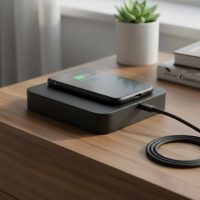
In our fast-paced digital world, keeping our devices powered up is a constant juggle. We’re always looking for solutions that offer both efficiency and convenience. That’s where the USB-C wireless charger steps in, beautifully blending the universal appeal of USB-C with the sheer simplicity of wireless power. It’s a game-changer, simplifying your charging setup and propelling us toward a truly cable-free future. If you’ve ever wondered how to cut down on cable clutter while keeping all your gadgets ready to go, you’re in the right place. We’ll explore everything you need to know about these innovative charging solutions.
What Exactly is a USB-C Wireless Charger?
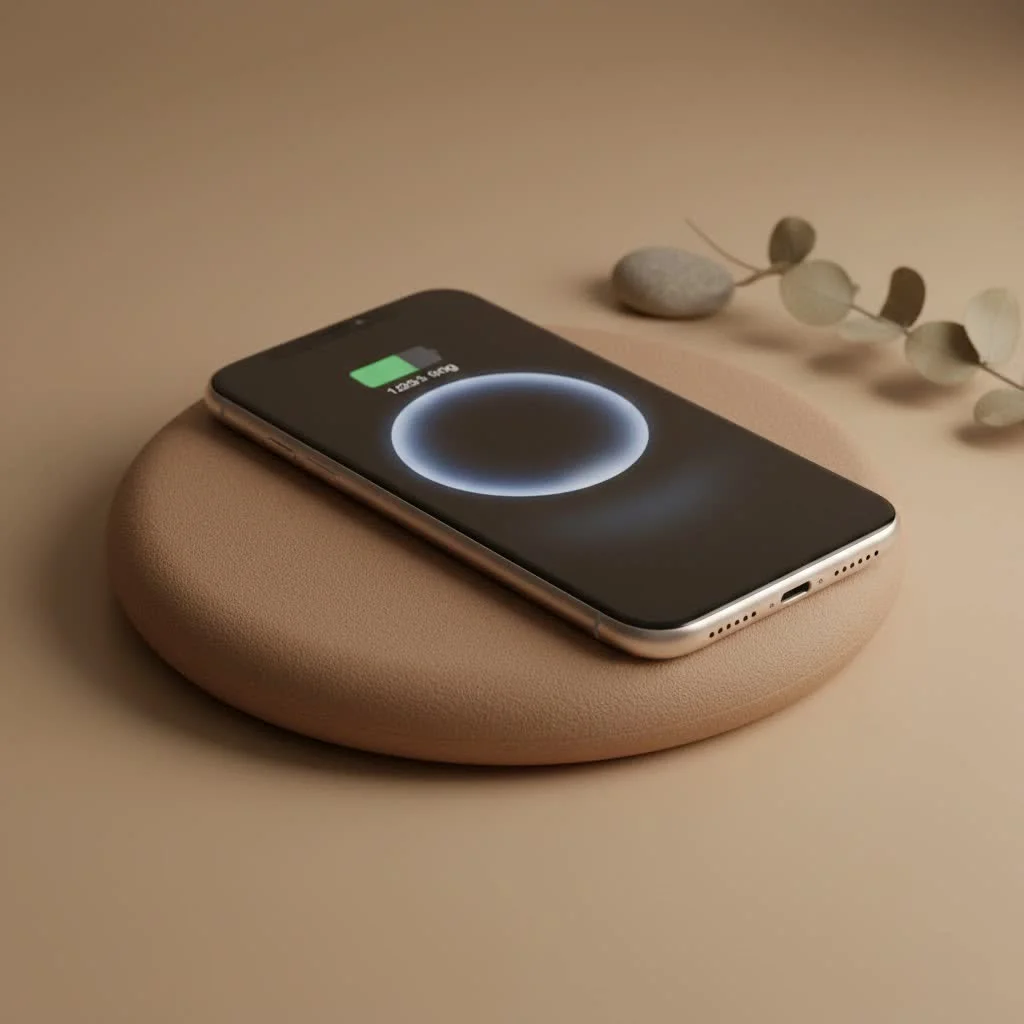
At its core, a USB-C wireless charger is a device that uses electromagnetic induction to transfer energy to a compatible electronic device, typically a smartphone, smartwatch, or earbuds, without needing a direct cable connection to the device itself. The “USB-C” part refers to the input port on the charger – it’s how the wireless charging pad or stand receives its power from a wall adapter. This means you use a standard USB-C cable to connect your wireless charger to its power source, embracing the versatility and power delivery capabilities of the USB-C standard. Think of it as the modern power conduit for your futuristic charging pad.
Why USB-C Powers the Wireless Charging Revolution
The adoption of USB-C as the primary input for wireless chargers isn’t just a trend; it’s a logical evolution driven by significant technological advantages.
The Universal Appeal of USB-C
USB-C has rapidly become the connector of choice across a vast array of electronics, from laptops and tablets to phones and accessories. Its reversible design means no more fumbling to plug in your cable correctly, a small but impactful convenience. More importantly, USB-C supports USB Power Delivery (USB PD), allowing for much higher wattages and smarter power negotiation than older USB standards. This robust power delivery is crucial for wireless chargers, especially those designed for fast charging or powering multiple devices simultaneously. By using USB-C, manufacturers can ensure a stable and efficient power supply to the wireless charging coil, optimizing performance and reducing charging times for your devices. It’s truly a single cable solution that streamlines your entire tech ecosystem.
The Rise of Qi2 and Magnetic Charging
The evolution of wireless charging standards has been closely intertwined with USB-C. The latest iteration, Qi2, brings magnetic alignment to the forefront, similar to Apple’s MagSafe technology. This innovation ensures your device is perfectly positioned on the charging pad every time, maximizing charging efficiency and speed (often up to 15W for compatible phones). A USB-C wireless charger that supports Qi2 means you get the best of both worlds: the consistent, high-power input from a USB-C connection and the optimized, fast, and satisfyingly “snappy” charging experience of Qi2. It’s not just about convenience; it’s about making sure you get the most out of every watt.
Key Benefits of Embracing a USB-C Wireless Charger
Making the switch to a USB-C wireless charger brings a host of practical advantages that can genuinely improve your daily tech interactions.
- Unmatched Convenience: Say goodbye to wrestling with cables. Just place your device on the pad, and it starts charging. It’s that simple, especially useful on a nightstand or desk.
- Reduced Clutter: With one USB-C cable powering your wireless charger, you can significantly reduce the tangle of cords that often plague charging areas. Many multi-device wireless chargers streamline even further, consolidating charging for your phone, earbuds, and smartwatch into a single, neat station.
- Enhanced Port Longevity: Constantly plugging and unplugging cables can wear out your device’s charging port over time. Wireless charging eliminates this physical stress, extending the lifespan of your phone or tablet’s port.
- Versatile Charging Ecosystem: Most modern wireless chargers are powered by a standard USB-C input. This means you can often use the same high-wattage USB-C power adapter you use for your laptop or tablet to power your wireless charging station, further simplifying your travel or home charging kit.
- Future-Proofing Your Setup: Both USB-C and the Qi2 wireless charging standard are rapidly becoming ubiquitous. Investing in chargers that utilize these technologies ensures compatibility with upcoming devices and benefits from the latest advancements in charging speed and efficiency.
Choosing the Right USB-C Wireless Charger for Your Needs
Navigating the market for the perfect USB-C wireless charger can feel overwhelming with so many options available. Here’s what to look for to make an informed decision:
Consider Your Devices
|
Our Picks for the Best Wireless Charger in 2026
As an Amazon Associate I earn from qualifying purchases.
|
||
| Num | Product | Action |
|---|---|---|
| 1 | Magnetic Wireless Charger 15W Mag Safe Charger-Fast Charging Pad Compatible with iPhone17/16/15/14/13/12 Series & Airpods 2 3 Pro-LED Mag-Safe Pad with Dual Charging Ports Original Replacement(White) |

|
| 2 | Amazon Basics 15W Qi Certified Wireless Charging Pad for iPhone 16/15/14/13/12/11/X, Samsung and More, with USB Cable, Black |
|
| 3 | NeverFall Car Phone Holder for MagSafe [78+LBS Ultra Grip - 2400gf Magnetic Power] 360° Foldable Car Mount Cell Phone Holders for Your Car for iPhone 17-12 and All Smartphones, Carbon Fiber |
|
| 4 | [Apple MFi Certified]Magnetic Wireless Charger Apple Mag Safe Charger,15W 6FT Fast Wireless Charging Pad for Apple iPhone 16 Pro Max/16 Pro/16 Plus/15 Pro Max/14/13/12/AirPods3/2/Pro/Pro2,Charging Pad |
|
| 5 | Magnetic Wireless Charger 15W Fast Mag Safe Charger for Cell iPhone 17 Pro Max/17 Pro/17 Air/17/16/15/14/13/12 Series 2 Pack Charging Pad for AirPods 3/2/Pro 2/Pro Mag-Safe Original Replacement |
|
| 6 | INIU Wireless Charger, 15W Fast Qi Certified Wireless Charging Station with Sleep-Friendly Adaptive Light Compatible with iPhone 17 16 15 14 13 12 Pro Max Samsung Galaxy S25 S24 S23 Note 20 Google etc |
|
| 7 | Samsung 15W Wireless Charger Single, Cordless Super Fast Charging Pad for Galaxy Phones and Devices, Compact Design, LED Indicator, USB C Cable Included, 2022, US Version, Grey |
|
| 8 | Wireless Charger Samsung Fast Charging Pad for Samsung Galaxy S25 Ultra/S24 FE/S23 Ultra/S22/S21/Z Flip 6 5,15W Wireless Charging Station Charger Mat and QC Adapter for Google Pixel 9 8a 7a 8 7 Pro |
|
| 9 | LỖI |
|
| 10 | [Apple MFi Certified]Magnetic Wireless iPhone Charger Magsafe Charger,6FT 15W Fast Phone Charging Pad Wireless Magnetic Charge for iPhone 17/17Air/16 Pro Max/16 Plus/15 Pro Max/14/13/12/AirPods3/2/Pro |
|
First and foremost, what devices do you need to charge wirelessly?
- Smartphones: Most modern smartphones support the Qi wireless charging standard. If you have a newer iPhone (12 series and up) or a compatible Android device, look for Qi2 certified chargers for optimal magnetic alignment and faster charging.
- Smartwatches & Earbuds: Many wireless charging stations offer dedicated spots for smartwatches (like Apple Watch) and wireless earbuds (like AirPods or Galaxy Buds). Ensure the charger specifies compatibility with your specific models.
Speed Matters: Understanding Wireless Output
Wireless charging speeds are measured in watts (W).
- 7.5W: Common for iPhones, providing a decent charge, especially overnight.
- 10W/15W: Standard for many Android phones, offering faster charging. Qi2 chargers often achieve 15W. Keep in mind that the wireless output is distinct from the USB-C input wattage. A charger might receive 20W via USB-C to output 15W wirelessly.
Form Factor: Pads, Stands, and Multi-Device Stations
The physical design of your charger can significantly impact its usability.
- Charging Pads: Flat, discreet pads are great for slipping into your bag or placing on a desk where space is limited.
- Charging Stands: Allow you to view your phone screen while it charges, perfect for video calls, checking notifications, or watching content.
- Multi-Device Stations: Ideal for charging your phone, earbuds, and smartwatch all at once, minimizing cable mess and maximizing convenience. Many even include extra USB-C output ports for wired charging of other devices.
- Portable Wireless Power Banks: Some power banks feature both a USB-C input/output and a wireless charging pad, offering ultimate flexibility on the go.
Power Input: The USB-C Connection Itself
While the wireless charger itself uses USB-C for input, it’s crucial to ensure you have a compatible USB-C power adapter (often sold separately). A 15W wireless charger will perform best with a USB-C wall adapter capable of delivering at least 20W or more, as some power is lost in the wireless transfer process. Always check the manufacturer’s recommendations.
Brand Reputation and Features
Stick with reputable brands like Anker, Belkin, UGREEN, and Satechi, which are known for quality and safety. Look for additional features such as:
- Magnetic Alignment: Essential for Qi2 and MagSafe users.
- Included Cables/Adapters: Some chargers come with everything you need; others require you to supply your own.
- Build Quality & Materials: Durable materials and non-slip surfaces can make a big difference.
- Safety Certifications: Look for Qi certification for peace of mind.
Maximizing Your Wireless Charging Experience
Getting the most out of your USB-C wireless charger is about more than just plugging it in. A few simple practices can ensure optimal performance and longevity.
- Optimal Placement is Key: For non-magnetic chargers, ensure your device is centered precisely on the charging pad. Even a slight misalignment can significantly reduce charging efficiency or prevent charging altogether. With Qi2 or MagSafe, the magnets handle this for you, ensuring a perfect connection every time.
- Mind Your Case: Most wireless chargers are designed to work through phone cases up to a certain thickness (usually around 3-5mm). However, very thick cases, or those with metal plates or magnets (unless specifically designed for MagSafe/Qi2), can interfere with charging. If you’re having issues, try removing your case.
- Use the Right Power Adapter: This cannot be stressed enough. A powerful wireless charger needs a powerful USB-C wall adapter. If your adapter doesn’t supply enough wattage, your wireless charger won’t deliver its advertised speeds. Always check the specifications for both your wireless charger and your wall adapter.
- Keep it Clean: Dust and debris can accumulate on charging pads. A quick wipe with a soft, dry cloth can help maintain good contact and prevent potential inefficiencies.
- Avoid Overheating: While wireless chargers have built-in safety features, placing them in direct sunlight or on heat-retaining surfaces can cause devices to warm up. Optimal charging occurs in a cool, well-ventilated area.
USB-C Wireless Chargers vs. Direct USB-C Wired Charging: A Quick Look
It’s important to understand that a USB-C wireless charger isn’t meant to entirely replace direct wired USB-C charging, especially for power-hungry tasks.
- Wired USB-C Charging: Generally offers faster charging speeds and higher power delivery (up to 100W or more for laptops), making it ideal for quick top-ups or charging large devices. It’s also more energy-efficient, as less power is lost in transmission.
- Wireless Charging: Prioritizes convenience over raw speed. It’s perfect for overnight charging, keeping your device topped up at your desk, or when you just don’t want to fumble with cables. While Qi2 has significantly closed the speed gap, wired USB-C still often holds an edge for peak performance.
The sweet spot often involves using both: wireless for daily convenience and wired USB-C for when you need a rapid power boost or to charge a laptop.
Expert Insight: “The Future is Integrated”
“The convergence of USB-C and advanced wireless charging protocols like Qi2 represents a significant leap forward in user experience,” shares Dr. Elena Petrova, Lead Engineer at Rbxyz Labs. “We’re moving beyond mere convenience to a truly integrated ecosystem where devices are powered efficiently, safely, and seamlessly. The USB-C wireless charger is not just a product; it’s a testament to how intelligent design can simplify complex technology, laying the groundwork for even more innovative power solutions in the years to come.”
FAQ: Your USB-C Wireless Charging Questions Answered
Have more questions about these handy chargers? We’ve got you covered.
Q1: Can any USB-C cable power a wireless charger?
A: While most USB-C cables can physically connect, it’s best to use a high-quality USB-C cable designed for power delivery. The cable needs to be robust enough to carry the necessary wattage from your wall adapter to the wireless charger to ensure optimal performance.
Q2: Is wireless charging slower than wired USB-C?
A: Generally, yes, wired USB-C charging often provides faster speeds, especially for high-wattage devices like laptops or when you need a rapid top-up for your phone. Wireless charging, while improving with standards like Qi2 (up to 15W), prioritizes convenience over the absolute fastest charging speeds.
Q3: Do USB-C wireless chargers come with wall adapters?
A: It varies by brand and model. Some premium USB-C wireless charger packages include a compatible USB-C wall adapter and cable, while budget-friendly options might only provide the charging pad and cable, expecting you to supply the adapter. Always check the product description.
Q4: Can I charge multiple devices wirelessly with one USB-C input?
A: Absolutely! Many multi-device wireless charging stations are designed to power a phone, smartwatch, and earbuds simultaneously, all while drawing power from a single USB-C input port. Some even include additional wired USB-C output ports for extra flexibility.
Q5: What is Qi2, and why is it important for USB-C wireless chargers?
A: Qi2 is the latest evolution of the Qi wireless charging standard. It introduces a magnetic power profile that ensures perfect alignment between the charger and the device, leading to faster (up to 15W) and more efficient charging. For a USB-C wireless charger, Qi2 compatibility means you’re getting the most advanced, optimized, and user-friendly wireless charging experience available.
Conclusion
The USB-C wireless charger stands as a testament to how technological advancements can simplify our daily lives. By combining the powerful, versatile USB-C standard with the undeniable convenience of wireless power, these chargers offer a cleaner, more efficient, and future-ready way to keep all your essential gadgets charged. Whether you’re looking to declutter your workspace, enhance your travel setup, or simply enjoy the effortless magic of magnetic charging, embracing a USB-C wireless charger is a smart move. Explore the options, choose what fits your lifestyle, and experience the seamless power flow for yourself. The future of charging is here, and it’s powered by USB-C and ingenuity.
Get our weekly buyer guide
Practical specs, not advice. Unsubscribe anytime.