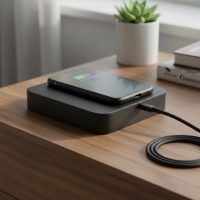
In today’s fast-paced world, untangling cables to charge your beloved Apple devices can feel like a chore from another era. Thankfully, the Apple wireless charger ecosystem has evolved dramatically, offering seamless and efficient ways to keep your iPhone, Apple Watch, and AirPods powered up. As a leading expert at rbxyz.com, I’m here to demystify everything you need to know about these innovative charging solutions, from the foundational Qi standard to Apple’s revolutionary MagSafe technology, ensuring you pick the perfect power companion for your gear.
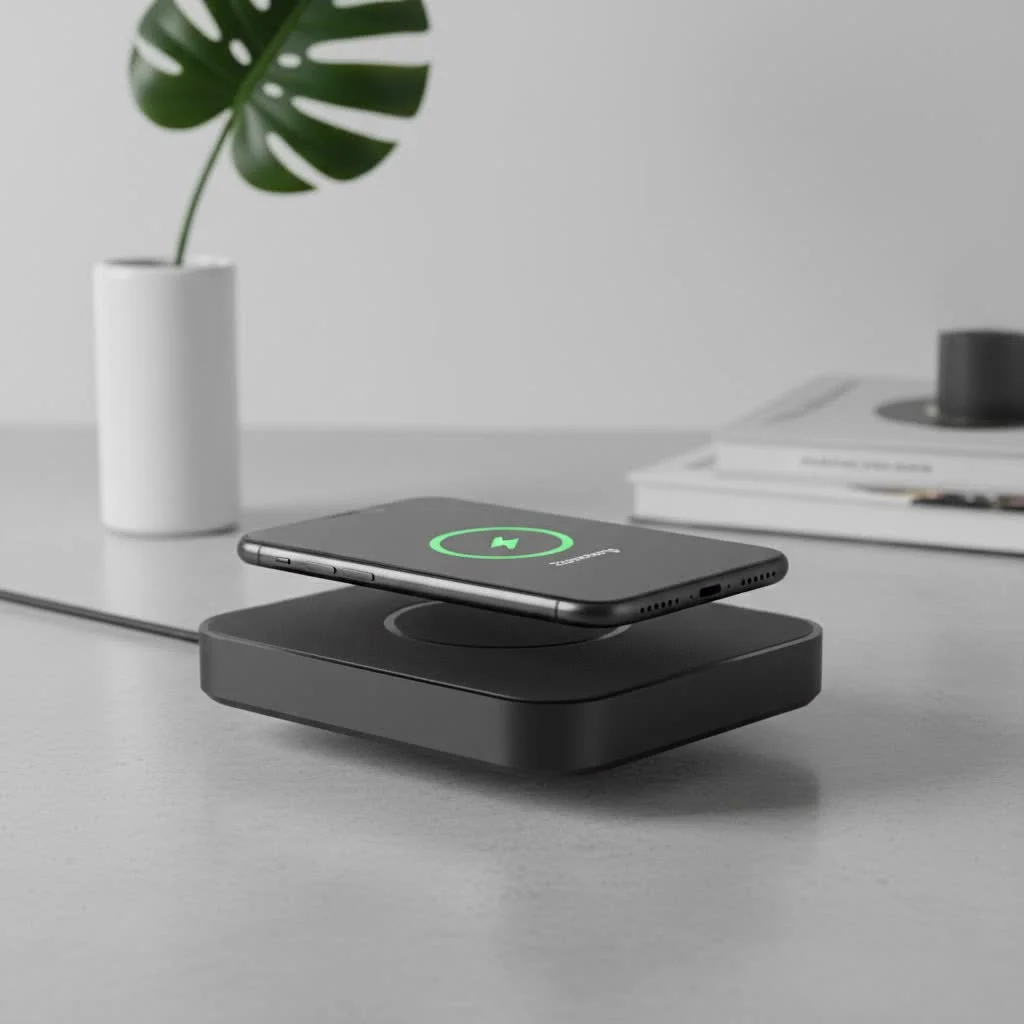
Understanding Apple’s Wireless Charging Ecosystem
Before diving deep, let’s establish the two primary wireless charging technologies you’ll encounter with your Apple devices: the universal Qi standard and Apple’s enhanced MagSafe system. Both aim to cut the cord, but they do so with distinct features and benefits.
The Foundation: Qi Wireless Charging for Apple Devices
At its heart, wireless charging for most modern smartphones, including many Apple devices, relies on the Qi wireless charging standard. Developed by the Wireless Power Consortium (WPC), Qi is an open, universal standard that uses electromagnetic induction to transfer power.
For iPhones, this means compatibility with a vast array of Qi-certified charging pads available in homes, offices, cars, and public spaces. Most iPhones that support wireless charging can power up at speeds of up to 7.5 watts (W) on a standard Qi charger. It’s incredibly convenient – just place your iPhone on the pad, and watch the charging icon appear. However, finding that “sweet spot” for optimal charging alignment can sometimes feel like a delicate balancing act.
The Magnetic Revolution: MagSafe Explained
Apple took wireless charging to the next level with the introduction of MagSafe for iPhone 12 series and later. MagSafe isn’t just another wireless charger; it’s a proprietary magnetic attachment system built on the Qi standard that fundamentally improves the user experience.
Imagine perfectly aligning your charger every single time, effortlessly. That’s the magic of MagSafe. It features a ring of magnets precisely embedded around the charging coil on the back of compatible iPhones, allowing the MagSafe charger to snap securely into place. This magnetic connection ensures optimal alignment, which translates to several key benefits:
- Faster Charging: MagSafe chargers can deliver up to 15W of power to compatible iPhones, effectively doubling the 7.5W limit of standard Qi charging for these devices. This means significantly quicker top-ups when you’re in a hurry.
- Perfect Alignment: No more guesswork or fiddling! The magnets ensure your device is always in the ideal position for efficient power transfer, minimizing wasted energy and ensuring a consistent charge.
- Accessory Ecosystem: Beyond charging, MagSafe enables a whole new world of snap-on accessories, from wallets and battery packs to car mounts and stands, all designed to seamlessly integrate with your iPhone.
“MagSafe isn’t just about faster charging; it’s about making wireless power feel intuitive and integrated into your daily life,” says Dr. Elara Vance, a distinguished researcher in wireless power systems. “The magnetic alignment removes a common point of frustration and opens up exciting possibilities for device interaction.”
While standard Qi chargers work with MagSafe-enabled iPhones, they won’t offer the magnetic alignment or the faster 15W charging speeds that MagSafe provides. If you’re using an older iPhone model (pre-iPhone 12) that supports wireless charging, it will still charge wirelessly on a MagSafe charger, but only at standard Qi speeds and without the magnetic attachment.
The Evolution of Speed: From Qi to Qi2.2
The world of wireless charging is always advancing, and Apple has played a crucial role in shaping its future.
Qi to Qi2: A New Standard for Magnetic Charging
|
Our Picks for the Best Wireless Charger in 2026
As an Amazon Associate I earn from qualifying purchases.
|
||
| Num | Product | Action |
|---|---|---|
| 1 | [Apple MFi Certified]Magnetic Wireless Charger Apple Mag Safe Charger,15W 6FT Fast Wireless Charging Pad for Apple iPhone 16 Pro Max/16 Pro/16 Plus/15 Pro Max/14/13/12/AirPods3/2/Pro/Pro2,Charging Pad |
![Check [Apple MFi Certified]Magnetic Wireless Charger Apple Mag Safe Charger,15W 6FT Fast Wireless Charging Pad for Apple iPhone 16 Pro Max/16 Pro/16 Plus/15 Pro Max/14/13/12/AirPods3/2/Pro/Pro2,Charging Pad on Amazon](https://rbxyz.com/wp-content/plugins/amazon-tables/assets/images/buy.png)
|
| 2 | [Apple MFi Certified]Magnetic Wireless iPhone Charger Magsafe Charger,6FT 15W Fast Phone Charging Pad Wireless Magnetic Charge for iPhone 17/17Air/16 Pro Max/16 Plus/15 Pro Max/14/13/12/AirPods3/2/Pro |
|
| 3 | Wireless Charger Samsung Fast Charging Pad for Samsung Galaxy S25 Ultra/S24 FE/S23 Ultra/S22/S21/Z Flip 6 5,15W Wireless Charging Station Charger Mat and QC Adapter for Google Pixel 9 8a 7a 8 7 Pro |
|
| 4 | NeverFall Car Phone Holder for MagSafe [78+LBS Ultra Grip - 2400gf Magnetic Power] 360° Foldable Car Mount Cell Phone Holders for Your Car for iPhone 17-12 and All Smartphones, Carbon Fiber |
|
| 5 | LỖI |
|
| 6 | Samsung 15W Wireless Charger Single, Cordless Super Fast Charging Pad for Galaxy Phones and Devices, Compact Design, LED Indicator, USB C Cable Included, 2022, US Version, Grey |
|
| 7 | Magnetic Wireless Charger 15W Fast Mag Safe Charger for Cell iPhone 17 Pro Max/17 Pro/17 Air/17/16/15/14/13/12 Series 2 Pack Charging Pad for AirPods 3/2/Pro 2/Pro Mag-Safe Original Replacement |
|
| 8 | INIU Wireless Charger, 15W Fast Qi Certified Wireless Charging Station with Sleep-Friendly Adaptive Light Compatible with iPhone 17 16 15 14 13 12 Pro Max Samsung Galaxy S25 S24 S23 Note 20 Google etc |
|
| 9 | Amazon Basics 15W Qi Certified Wireless Charging Pad for iPhone 16/15/14/13/12/11/X, Samsung and More, with USB Cable, Black |
|
| 10 | Magnetic Wireless Charger 15W Mag Safe Charger-Fast Charging Pad Compatible with iPhone17/16/15/14/13/12 Series & Airpods 2 3 Pro-LED Mag-Safe Pad with Dual Charging Ports Original Replacement(White) |
|
Apple’s innovative MagSafe technology was so impactful that it contributed significantly to the development of the Qi2 standard. Qi2, overseen by the Wireless Power Consortium (WPC), integrates magnetic power profiles, essentially making MagSafe-like magnetic alignment and 15W charging speeds available to a wider range of devices beyond just Apple products. This means more chargers will offer the same reliable, faster magnetic charging experience that iPhone users have enjoyed with MagSafe.
The Latest Frontier: Qi2.2 and Beyond
As of late 2024 and early 2025, the wireless charging landscape is seeing even more exciting developments with the Qi2.2 standard. This latest update pushes power delivery further, with many certified chargers now supporting up to 25W. This means even faster charging for compatible devices, and it’s a clear indicator of where the technology is heading. There are even whispers of Apple potentially releasing a MagSafe charger that supports up to 45W for future iPhone models, such as the rumored iPhone 17 series, pushing wireless charging speeds closer to their wired counterparts.
- Original Qi: Up to 7.5W for iPhones, no magnetic alignment.
- MagSafe/Qi2: Up to 15W for compatible iPhones, with magnetic alignment.
- Qi2.2: Up to 25W for compatible devices, with magnetic alignment, hinting at even faster future speeds.
This rapid evolution underscores the industry’s commitment to making wireless charging not just convenient, but also incredibly efficient and fast.
Charging All Your Apple Gear: Multi-Device Solutions
For the ultimate Apple enthusiast, juggling separate chargers for your iPhone, Apple Watch, and AirPods is a thing of the past. Multi-device wireless chargers offer a streamlined solution, keeping your entire ecosystem powered from a single, elegant station.
iPhone, Apple Watch, and AirPods: A Unified Approach
Many reputable brands now offer 3-in-1 (or even 2-in-1) charging stations specifically designed for Apple users. These typically feature:
- A MagSafe or Qi2-compatible pad/stand for your iPhone, providing up to 15W (or even 25W with Qi2.2) of power.
- A dedicated magnetic puck for your Apple Watch, supporting its unique charging requirements, often with fast charging capabilities for newer models.
- A Qi charging spot for your AirPods (specifically those with a wireless charging case).
Pro Tip: Did you know that recent AirPods models, like AirPods Pro 2 and AirPods 4 (ANC) cases, can actually be charged using your Apple Watch charging puck? This adds an extra layer of versatility to your charging setup, potentially freeing up a spot on a multi-charger for another device or simply simplifying your travel kit.
Brands like Belkin, Anker, Satechi, and Mophie are popular choices, offering a range of designs from sleek desk stands to compact travel pads. When selecting a multi-device charger, consider the form factor that best suits your space and how you typically use your devices while they charge.
MagSafe Duo Charger
Apple’s own MagSafe Duo Charger provides a portable and elegant solution for charging your iPhone (MagSafe compatible) and Apple Watch simultaneously. It features a MagSafe pad for your iPhone and a foldable Apple Watch charger, making it ideal for travel. While it’s a premium option, its integrated design and Apple-level quality appeal to many users.
Choosing the Right Apple Wireless Charger for You
With so many options, how do you pick the perfect Apple wireless charger? Here are the factors I recommend considering:
- Device Compatibility: Ensure the charger supports all your Apple devices (iPhone model, Apple Watch series, AirPods generation). MagSafe compatibility is crucial for iPhone 12 and newer models to get the fastest speeds and magnetic alignment.
- Charging Speed: Do you prioritize speed? Look for MagSafe or Qi2/Qi2.2 certified chargers to get 15W or even 25W. If you have an older iPhone or don’t mind slower charging, a standard 7.5W Qi charger might suffice.
- Form Factor: Do you prefer a flat pad, an upright stand (great for StandBy mode on iOS 17+), or a multi-device station? Consider how you want to interact with your phone while it charges.
- Portability: If you travel frequently, look for foldable or compact designs, like the MagSafe Duo or certain Anker/Belkin travel chargers.
- Budget: Official Apple chargers tend to be pricier, but many third-party brands offer excellent, high-quality alternatives at more competitive prices. Even budget-friendly options, like the new Qi2 chargers from IKEA, are entering the market.
- Power Adapter: Remember that most wireless chargers, including Apple’s, don’t come with a power adapter. To achieve maximum charging speeds (e.g., 15W for MagSafe), you’ll need a compatible 20W or higher USB-C power adapter.
Tips for Optimal Wireless Charging and Safety
To get the most out of your Apple wireless charger and ensure the longevity of your devices, keep these tips in mind:
- Proper Placement: Always place your device centrally on the charging pad or align it magnetically with MagSafe. Misalignment can lead to slower charging or no charge at all.
- Case Compatibility: If you use a case, ensure it’s “MagSafe compatible” for MagSafe chargers. Regular cases might work with MagSafe, but they won’t provide the magnetic attachment, and thicker cases can impede wireless charging efficiency. Remove any cases that contain metal, magnets, or thick materials, as these can interfere with charging or even damage your cards.
- Avoid Interference: Do not place anything between your iPhone and the wireless charger. Magnetic mounts, magnetic cases, or objects like credit cards, security badges, or passports can reduce performance or damage magnetic strips or RFID chips.
- Use Recommended Power Adapters: Always use a power adapter that meets the manufacturer’s recommendations. Underpowered adapters will result in slower charging speeds.
- Monitor Heat: It’s normal for your device and charger to get slightly warm during wireless charging. However, if it becomes excessively hot, charging might slow down or stop to protect the battery. Ensure good airflow around the charger and avoid charging in direct sunlight or hot environments.
Frequently Asked Questions (FAQ)
Q1: Do all iPhones support wireless charging?
No, not all iPhones support wireless charging. Wireless charging capabilities began with the iPhone 8, iPhone 8 Plus, and iPhone X. All subsequent iPhone models support wireless charging.
Q2: What’s the difference between MagSafe and standard Qi charging?
MagSafe is an enhanced version of Qi charging that uses magnets for perfect alignment between your iPhone (iPhone 12 and newer) and the charger. This magnetic connection ensures more efficient power transfer, enabling faster charging speeds (up to 15W for MagSafe vs. 7.5W for standard Qi) and supporting an ecosystem of magnetic accessories.
Q3: Can I use a MagSafe charger with a non-MagSafe iPhone?
Yes, you can use a MagSafe charger with an older, non-MagSafe iPhone (iPhone 8 through iPhone 11) that supports Qi wireless charging. However, it will function as a standard Qi charger, providing up to 7.5W of power, and you won’t get the magnetic alignment feature or the faster 15W charging speed.
Q4: Can I charge my Apple Watch or AirPods with a MagSafe iPhone charger?
A standard Apple MagSafe Charger is primarily designed for iPhones. While some AirPods cases (like AirPods 3rd Gen and AirPods Pro) are MagSafe compatible for charging, you cannot charge an Apple Watch directly with an iPhone MagSafe charger due to different charging technologies. For multi-device charging, you’ll need a dedicated 3-in-1 charger or the Apple MagSafe Duo. Notably, AirPods Pro 2 and AirPods 4 (ANC) cases can be charged on an Apple Watch charger.
Q5: Are third-party wireless chargers safe for Apple devices?
Yes, many third-party wireless chargers are safe and reliable for Apple devices, especially those that are Qi-certified or Made for MagSafe (MFM) certified. Always choose reputable brands like Belkin, Anker, Satechi, and Mophie, and ensure the charger meets industry standards. Avoid unbranded or suspiciously cheap chargers that might not adhere to safety protocols.
Q6: What is Qi2 and how does it affect Apple users?
Qi2 is the latest evolution of the Qi wireless charging standard, incorporating magnetic alignment technology similar to Apple’s MagSafe. For Apple users, this means that more third-party chargers will offer the same secure magnetic attachment and faster 15W charging speeds that MagSafe provides, expanding your options for high-quality wireless charging. The even newer Qi2.2 standard is beginning to enable 25W charging.
Embracing the Wireless Future with Apple
The journey from basic inductive pads to sophisticated magnetic charging has made powering our Apple devices incredibly convenient and efficient. Whether you’re opting for the simplicity of a standard Qi pad, the precision and speed of an Apple wireless charger with MagSafe, or a comprehensive multi-device station, the options are designed to integrate seamlessly into your digital life. As an expert at rbxyz.com, I encourage you to explore these innovations and find the solutions that best fit your lifestyle, ensuring your Apple ecosystem remains charged, clutter-free, and ready for whatever your day brings. Step into the wireless future and experience the freedom it offers!
Get our weekly buyer guide
Practical specs, not advice. Unsubscribe anytime.