Tired of fumbling with cables, struggling to plug in your phone in the dark, or dealing with a tangled mess on your desk? You’re not alone! Wireless charging has revolutionized how we power our devices, bringing a level of convenience and simplicity that’s hard to beat. As your trusted source for all things wireless charging, Rbxyz.com is here to guide you through the exciting world of untethered power. We’ve seen the technology evolve from its humble beginnings to the sophisticated, high-speed solutions available today, and we’re ready to share our insights to help you find the Best Wireless Charger for your lifestyle.
What Exactly Is Wireless Charging?
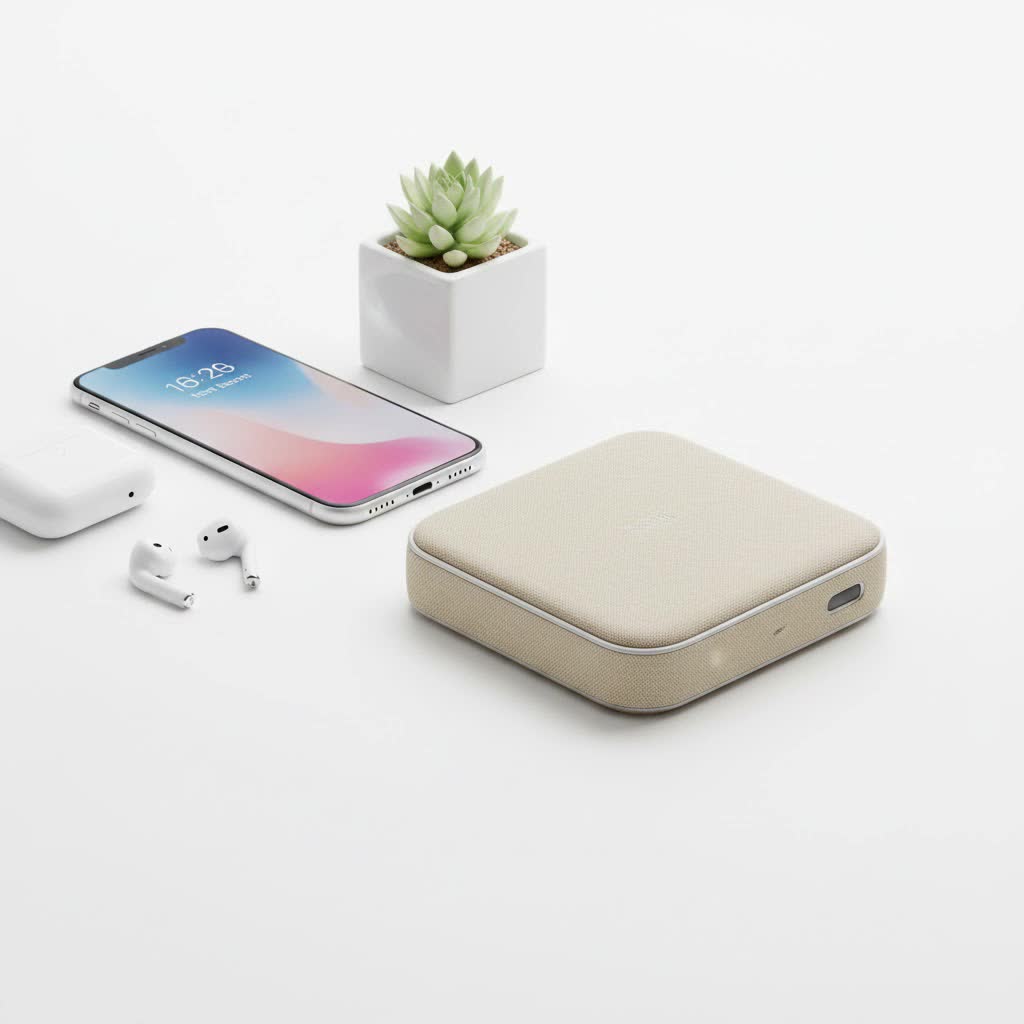
At its core, wireless charging works through a principle called electromagnetic induction. Simply put, there’s a coil in your charger and a compatible coil in your device. When your device rests on the charger, an electromagnetic field transfers energy between these coils, magically topping up your battery without a physical connection. This foundational technology is known as the Qi standard, pronounced “chee,” and it’s the most widely adopted wireless charging standard in the world.
Over the years, this technology has seen significant advancements. We’ve moved beyond basic Qi pads to more efficient, faster, and smarter charging solutions, including Apple’s MagSafe for iPhones and the exciting new Qi2 standard, which is bringing magnetic alignment and enhanced performance to a broader range of devices.
Why Make the Switch? The Irresistible Benefits of Untethered Power
The move to wireless charging offers a cascade of advantages that make daily device management a breeze:
- Ultimate Convenience: Imagine simply placing your phone on a pad or stand, and it starts charging instantly. No more fumbling for cables or trying to find the right port, especially when you’re half-asleep or in a hurry. It’s about reducing friction in your daily routine.
- Less Wear and Tear: Constantly plugging and unplugging cables can stress your device’s charging port over time, potentially leading to costly repairs. Wireless charging completely bypasses this, preserving the longevity of your phone’s hardware.
- Decluttered Spaces: Say goodbye to unsightly cable spaghetti on your nightstand, desk, or kitchen counter. A single wireless charger often takes up less visual space and keeps your environment looking neat and tidy.
- Enhanced Functionality: With charging stands, you can keep your phone upright, making it easy to check notifications, watch videos, or participate in video calls while it powers up. Many multi-device chargers even let you juice up your phone, smartwatch, and earbuds simultaneously.
Understanding Wireless Charging Standards: Qi, MagSafe, and Qi2
Navigating the various wireless charging standards can sometimes feel like learning a new language. Let’s break down the key players:
Qi: The Universal Standard
|
Our Picks for the Best Wireless Charger in 2026
As an Amazon Associate I earn from qualifying purchases.
|
||
| Num | Product | Action |
|---|---|---|
| 1 | Magnetic Wireless Charger 15W Mag Safe Charger-Fast Charging Pad Compatible with iPhone17/16/15/14/13/12 Series & Airpods 2 3 Pro-LED Mag-Safe Pad with Dual Charging Ports Original Replacement(White) |

|
| 2 | [Apple MFi Certified]Magnetic Wireless iPhone Charger Magsafe Charger,6FT 15W Fast Phone Charging Pad Wireless Magnetic Charge for iPhone 17/17Air/16 Pro Max/16 Plus/15 Pro Max/14/13/12/AirPods3/2/Pro |
|
| 3 | Samsung 15W Wireless Charger Single, Cordless Super Fast Charging Pad for Galaxy Phones and Devices, Compact Design, LED Indicator, USB C Cable Included, 2022, US Version, Grey |
|
| 4 | INIU Wireless Charger, 15W Fast Qi Certified Wireless Charging Station with Sleep-Friendly Adaptive Light Compatible with iPhone 17 16 15 14 13 12 Pro Max Samsung Galaxy S25 S24 S23 Note 20 Google etc |
|
| 5 | [Apple MFi Certified]Magnetic Wireless Charger Apple Mag Safe Charger,15W 6FT Fast Wireless Charging Pad for Apple iPhone 16 Pro Max/16 Pro/16 Plus/15 Pro Max/14/13/12/AirPods3/2/Pro/Pro2,Charging Pad |
|
| 6 | Wireless Charger Samsung Fast Charging Pad for Samsung Galaxy S25 Ultra/S24 FE/S23 Ultra/S22/S21/Z Flip 6 5,15W Wireless Charging Station Charger Mat and QC Adapter for Google Pixel 9 8a 7a 8 7 Pro |
|
| 7 | NeverFall Car Phone Holder for MagSafe [78+LBS Ultra Grip - 2400gf Magnetic Power] 360° Foldable Car Mount Cell Phone Holders for Your Car for iPhone 17-12 and All Smartphones, Carbon Fiber |
|
| 8 | LỖI |
|
| 9 | Amazon Basics 15W Qi Certified Wireless Charging Pad for iPhone 16/15/14/13/12/11/X, Samsung and More, with USB Cable, Black |
|
| 10 | Magnetic Wireless Charger 15W Fast Mag Safe Charger for Cell iPhone 17 Pro Max/17 Pro/17 Air/17/16/15/14/13/12 Series 2 Pack Charging Pad for AirPods 3/2/Pro 2/Pro Mag-Safe Original Replacement |
|
Qi is the most common wireless charging standard, supported by nearly all wirelessly-chargeable smartphones, earbuds, and other accessories. It’s truly universal, ensuring broad compatibility across brands. Qi chargers typically deliver power at various wattages, from slower 5W options to faster 10W and 15W models. However, the actual charging speed your device receives depends on what your device can handle. For instance, many iPhones prior to MagSafe will only charge at up to 7.5W on a standard Qi pad, even if the charger is rated for 15W.
MagSafe: Apple’s Magnetic Marvel
Introduced with the iPhone 12 series, MagSafe is Apple’s proprietary magnetic wireless charging technology. It features a ring of magnets embedded in compatible iPhones, which perfectly aligns the phone with a MagSafe charger. This magnetic connection ensures optimal charging efficiency and enables faster charging speeds of up to 15W for iPhones (compared to 7.5W on standard Qi chargers). Beyond just power, MagSafe opens up an ecosystem of magnetically attaching accessories, from wallets to car mounts.
Qi2: The Future is Magnetic for Everyone
Get ready for Qi2! This exciting new standard is a game-changer, integrating the magnetic alignment technology pioneered by Apple’s MagSafe into the universal Qi standard. What does this mean for you? It means Android devices, and a wider array of other gadgets, will soon benefit from the perfect alignment and up to 15W charging speeds that were once exclusive to MagSafe. We at Rbxyz.com are incredibly excited about Qi2, as it promises to make wireless charging even more efficient, reliable, and user-friendly for everyone. Expect to see many more Qi2-certified chargers hitting the market in 2024 and beyond.
Choosing Your Ideal Wireless Charger: Key Factors to Consider
With so many options available, picking the best wireless charger can feel daunting. Here’s what our experts at Rbxyz.com recommend you consider:
Compatibility: What Devices Do You Need to Charge?
This is step one. Are you primarily charging an iPhone, an Android phone, or a combination of devices?
- iPhones: iPhone 8 through 11 typically charge at 7.5W on standard Qi pads. iPhone 12 and newer models support MagSafe for faster 15W charging and magnetic alignment.
- Android Phones: Charging speeds vary wildly among Android devices, from standard 5W/10W Qi to proprietary fast wireless charging solutions (e.g., 50W for OnePlus). Always check your phone’s specifications.
- Apple Watch & AirPods: These often require specific charging elements, so if you have them, look for multi-device chargers designed for the Apple ecosystem. Many 3-in-1 chargers cater to this need.
Charging Speed (Wattage): How Fast Do You Need to Power Up?
Wireless charging speeds are measured in watts (W).
- 5W: Basic, often the slowest. Fine for overnight charging where speed isn’t a priority.
- 7.5W: Standard for many iPhones (non-MagSafe) and a decent balance for overnight or desk charging.
- 10W-15W: Considered “fast wireless charging” for most devices. MagSafe and Qi2 chargers typically fall into this category for compatible phones.
- Beyond 15W: Some Android phones support much faster proprietary wireless charging (e.g., 50W), but these usually require specific chargers from the phone manufacturer.
Expert Tip: Remember that the power adapter you plug your wireless charger into is just as important as the charger itself! A 15W wireless charger connected to a weak 5W USB adapter will only deliver 5W of power. Always use an 18W or higher adapter for optimal speeds, unless the charger comes with its own proprietary power supply.
Type of Charger: Pad, Stand, or Multi-Device?
The form factor matters for how and where you use your charger.
- Wireless Charging Pads: These are flat discs or mats where you lay your device. They are generally compact, often more affordable, and great for charging earbuds or simply placing your phone down. The Anker 315 Wireless Charger Pad is an excellent value option, delivering 10W for Samsung and 7.5W for iPhone in a simple, non-slip design.
- Wireless Charging Stands: These hold your phone upright, allowing you to easily view the screen in portrait or landscape mode while it charges. Perfect for a desk or nightstand. The Anker 313 Wireless Charger Stand offers good value, while the Belkin Boost Up Wireless Charging Stand 10W provides reliable performance and comes with its own power adapter.
- Multi-Device Chargers (2-in-1, 3-in-1): If you have multiple gadgets (phone, smartwatch, earbuds), these are lifesavers. They consolidate your charging needs into one sleek unit. The Belkin Boost Charge Dual Wireless Charger is great for two Qi devices, while the STM ChargeTree is a compact 3-in-1 stand perfect for Apple users, charging an iPhone, AirPods, and Apple Watch.
- Portable Wireless Power Banks: For charging on the go without cables, a wireless power bank is your friend. The Anker 533 PowerCore 10K Wireless Power Bank provides a 10,000mAh battery with both wireless and wired charging options, plus a handy built-in stand.
- Unique Designs: For those who prioritize aesthetics or space-saving, options like the Humanscale NeatCharge discreetly install under your desk, keeping your workspace clear. The Twelve South PowerPic even doubles as a photo frame, blending seamlessly into your decor.
Design & Aesthetics: Does It Match Your Style?
Beyond functionality, the look and feel of your charger can be important. Do you prefer a minimalist design, a sleek metallic finish, or something more unique? Some chargers, like the Mophie 15W Wireless Charging Pad, offer stylish designs with soft-touch materials that blend well into any home or office.
Included Accessories: Don’t Forget the Power Brick!
Many wireless chargers come with only a USB cable, requiring you to supply the power adapter. Always check if a compatible power adapter is included, especially if you want to achieve the charger’s maximum speeds. This can save you an extra purchase.
Price: Budget-Friendly or Premium?
Wireless chargers range widely in price. You can find reliable basic pads for under $20, while premium multi-device stands or designer options can cost over $100. Determine your budget and balance it against the features and brands that matter most to you.
Expert Insight: “The Future is Magnetic”
“The advancements in wireless charging, particularly with the widespread adoption of magnetic alignment through MagSafe and the new Qi2 standard, are truly transformative,” says Dr. Lena Chen, Lead Wireless Tech Architect at Rbxyz. “This magnetic precision isn’t just about faster charging; it’s about making the experience foolproof and more versatile, seamlessly integrating charging into our lives. We’re moving towards a future where device alignment is no longer a concern, and consistent, efficient power delivery is a given for all.”
Troubleshooting Common Wireless Charging Issues
Even with the best wireless charger, you might occasionally encounter minor hiccups. Here are some quick fixes:
- Not Charging at All:
- Check Alignment: Ensure your device is perfectly centered on the charging coil. Magnetic chargers like MagSafe and Qi2 largely solve this.
- Case Thickness: Very thick or metallic cases can obstruct the charging field. Try removing your case to see if it resolves the issue. Most chargers work through cases up to 3-5mm.
- Power Source: Make sure the charger is properly plugged into a functional power outlet and that its power adapter is working correctly.
- Foreign Objects: Metal objects (coins, keys, credit cards) placed between your phone and charger can interfere and even cause overheating. Remove them immediately.
- Slow Charging:
- Adapter Wattage: Confirm your power adapter delivers enough wattage for the charger’s maximum speed (e.g., 18W or more for a 15W charger).
- Device Compatibility: Your device might only support a lower wireless charging speed, regardless of the charger’s rating.
- Background Apps: Many apps running in the background can consume power, slowing down the charging process.
- Overheating:
- Remove Case: If your phone feels excessively hot, remove its case. Cases can trap heat, especially during charging.
- Ventilation: Ensure the charger and phone have good airflow. Avoid charging on soft surfaces like bedding that can block vents.
- Foreign Objects: Again, metal objects can cause significant heat.
Frequently Asked Questions About Wireless Chargers
1. Does my phone support wireless charging?
Most flagship smartphones released in the last few years support Qi wireless charging. However, it’s always best to check your specific phone model’s specifications. If your phone doesn’t have it built-in, you can often add wireless charging capabilities using an inexpensive wireless charging receiver that plugs into your charging port and sits discreetly inside your phone case.
2. What’s the difference between MagSafe and Qi2?
MagSafe is Apple’s proprietary magnetic wireless charging technology for iPhones (12 series and newer), offering 15W charging and perfect magnetic alignment. Qi2 is an evolution of the universal Qi standard that incorporates Apple’s magnetic alignment technology. This means Qi2 will bring similar 15W magnetic charging benefits and compatibility to a wider range of devices, including Android phones, making magnetic charging a universal feature.
3. What charging speed do I really need?
For overnight charging, a 5W or 7.5W charger is perfectly adequate. If you need quicker top-ups throughout the day or want to maximize your device’s potential, look for 10W or 15W chargers, ensuring your phone and power adapter are compatible with these faster speeds. Remember, your device will only draw the power it needs, so future-proofing with a faster charger isn’t a bad idea.
4. Should I get a wireless charging pad or a stand?
It largely comes down to personal preference and how you intend to use it. Pads are generally more compact, cheaper, and versatile for charging smaller accessories like earbuds. Stands allow you to easily view and interact with your phone while it charges, making them ideal for desks or nightstands. Some innovative designs even combine both functionalities!
5. Do I need to remove my phone case before charging?
For most modern wireless chargers and slim phone cases (up to 3-5mm thick), you won’t need to remove your case. However, very thick cases, especially those with metal elements or pop sockets, can impede charging. Also, charging generates heat, and a thick case can sometimes trap this heat, potentially slowing down charging or causing your phone to warm up more than usual. For optimal efficiency and heat dissipation, a thinner case or no case is always best.
Unlock the Future of Power with the Best Wireless Charger
The world of wireless charging is continually evolving, offering unparalleled convenience and innovative solutions for keeping our devices powered up. From simple, efficient pads to sophisticated multi-device stands and portable power banks, there’s a best wireless charger out there for every need and every gadget. By understanding the different standards, considering your usage, and choosing wisely, you can simplify your daily routine and enjoy a truly untethered charging experience.
At Rbxyz.com, we’re dedicated to helping you navigate these technological advancements with confidence. We encourage you to explore the options, find what works best for you, and embrace the future of power. Share your wireless charging experiences with us – we’d love to hear how you’re staying charged!
