In a world increasingly defined by smart technology, the humble act of charging our devices often remains a tangled mess. But what if we told you there’s a solution that not only declutters your space but also leverages the powerful, universal standard of USB-C for faster, more efficient energy delivery? Welcome to the realm of the Type C Wireless Charger, where convenience truly meets next-generation performance. At Rbxyz, we believe in simplifying the complex, and today, we’re diving deep into why this technology is a game-changer for your daily charging routine.
What Exactly Is a Type C Wireless Charger?
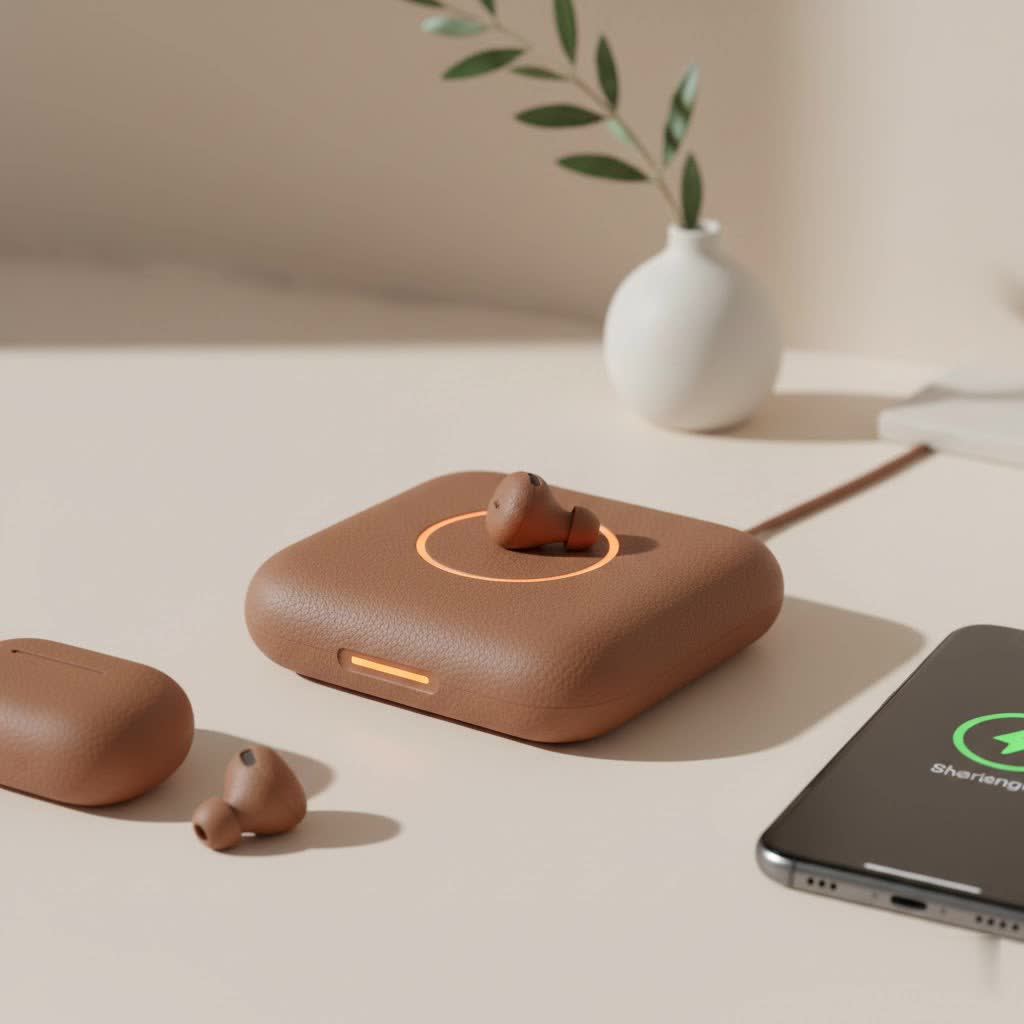
At its core, a wireless charger operates on the principle of electromagnetic induction, commonly known as the Qi standard. This ingenious technology allows power to be transferred over short distances without any physical connection between your device and the charging pad. When we talk about a “Type C wireless charger,” it generally refers to two primary scenarios:
- USB-C as the Power Input: Most modern wireless charging pads are now powered via a USB-C port. This means you use a USB-C cable to connect your wireless charging pad to a wall adapter. This shift to USB-C ensures that the pad itself can receive ample power, often supporting higher wattages for faster charging.
- Type C Wireless Receivers: For devices that don’t have wireless charging built-in (think older Android phones or some budget models), a Type C wireless receiver can be a lifesaver. This thin adapter plugs into your phone’s USB-C port and typically slips discreetly behind your phone case, instantly granting your device Qi wireless capabilities.
This evolution signifies a powerful convergence: the ubiquitous, reversible, and high-capacity USB-C standard powering the effortless simplicity of wireless charging. It’s about creating a unified, hassle-free charging ecosystem that makes daily power-ups a breeze.
The Symbiotic Relationship: USB-C Power Delivery and Wireless Charging
USB-C isn’t just a connector; it’s a versatile powerhouse, especially when paired with USB Power Delivery (USB PD). This dynamic duo dramatically enhances the capabilities of wireless charging.
How USB-C PD Enables Smarter Power for Wireless Pads
USB Power Delivery is a fast-charging standard that allows devices to transfer much higher levels of power (up to 240 watts with the latest standards) over a USB-C connection. When your wireless charging pad is powered by a USB-C PD charger, it can intelligently negotiate the optimal power level needed for your device. This means:
- Higher Wattage: USB-C PD can deliver significantly more power to your wireless charging pad, which, in turn, allows the pad to offer faster wireless charging speeds to your compatible devices.
- Adaptive Charging: It’s not just about raw speed; it’s about smart speed. USB PD enables the charger and the device to communicate, ensuring your phone receives exactly the right amount of power it needs at each stage of charging. This optimizes efficiency and safeguards your device’s battery health.
- Universal Compatibility for Power Sources: The beauty of USB-C PD is its standardization. You can often use one powerful USB-C PD wall adapter to charge your laptop, tablet, and power your wireless charging pad, eliminating the need for multiple proprietary bricks. “The integration of USB-C into wireless charging isn’t just about convenience; it’s a testament to the industry’s push for universal compatibility and faster, more efficient power delivery,” says Dr. Elena Petrova, a leading expert in power electronics.
|
Our Picks for the Best Wireless Charger in 2026
As an Amazon Associate I earn from qualifying purchases.
|
||
| Num | Product | Action |
|---|---|---|
| 1 | Magnetic Wireless Charger 15W Mag Safe Charger-Fast Charging Pad Compatible with iPhone17/16/15/14/13/12 Series & Airpods 2 3 Pro-LED Mag-Safe Pad with Dual Charging Ports Original Replacement(White) |

|
| 2 | INIU Wireless Charger, 15W Fast Qi Certified Wireless Charging Station with Sleep-Friendly Adaptive Light Compatible with iPhone 17 16 15 14 13 12 Pro Max Samsung Galaxy S25 S24 S23 Note 20 Google etc |
|
| 3 | [Apple MFi Certified]Magnetic Wireless iPhone Charger Magsafe Charger,6FT 15W Fast Phone Charging Pad Wireless Magnetic Charge for iPhone 17/17Air/16 Pro Max/16 Plus/15 Pro Max/14/13/12/AirPods3/2/Pro |
|
| 4 | Wireless Charger Samsung Fast Charging Pad for Samsung Galaxy S25 Ultra/S24 FE/S23 Ultra/S22/S21/Z Flip 6 5,15W Wireless Charging Station Charger Mat and QC Adapter for Google Pixel 9 8a 7a 8 7 Pro |
|
| 5 | Magnetic Wireless Charger 15W Fast Mag Safe Charger for Cell iPhone 17 Pro Max/17 Pro/17 Air/17/16/15/14/13/12 Series 2 Pack Charging Pad for AirPods 3/2/Pro 2/Pro Mag-Safe Original Replacement |
|
| 6 | Amazon Basics 15W Qi Certified Wireless Charging Pad for iPhone 16/15/14/13/12/11/X, Samsung and More, with USB Cable, Black |
|
| 7 | Samsung 15W Wireless Charger Single, Cordless Super Fast Charging Pad for Galaxy Phones and Devices, Compact Design, LED Indicator, USB C Cable Included, 2022, US Version, Grey |
|
| 8 | LỖI |
|
| 9 | NeverFall Car Phone Holder for MagSafe [78+LBS Ultra Grip - 2400gf Magnetic Power] 360° Foldable Car Mount Cell Phone Holders for Your Car for iPhone 17-12 and All Smartphones, Carbon Fiber |
|
| 10 | [Apple MFi Certified]Magnetic Wireless Charger Apple Mag Safe Charger,15W 6FT Fast Wireless Charging Pad for Apple iPhone 16 Pro Max/16 Pro/16 Plus/15 Pro Max/14/13/12/AirPods3/2/Pro/Pro2,Charging Pad |
|
Why Make the Switch? Key Benefits of Type C Wireless Charging
If you’re still tethered by cables, here’s why embracing Type C wireless charging, either natively or via an adapter, is a step into a more modern, efficient future:
-
Unparalleled Convenience: Say Goodbye to Cables
The most obvious and perhaps most cherished benefit is the sheer convenience. No more fumbling for the right cable in the dark or wrestling with tangled wires. Just place your phone down, and charging begins. It’s perfect for quick top-ups throughout the day at your desk, bedside, or even in your car.
-
Declutter Your Space: Aesthetic Appeal
Wireless charging pads offer a cleaner, more minimalist look than a collection of cables. By consolidating your charging needs, you can maintain a tidier workspace, nightstand, or living area.
-
Enhanced Speed and Efficiency: Fast Charging Capabilities
While early wireless chargers were notoriously slow, modern Type C wireless chargers, especially those supporting higher wattages (like 15W or more) and powered by USB-C PD, can deliver impressive charging speeds. Many devices can achieve a significant battery boost in a short amount of time, rivaling wired charging in many scenarios.
-
Future-Proofing Your Setup: USB-C as the Standard
USB-C is rapidly becoming the universal standard for power and data across all devices, from smartphones to laptops. By investing in Type C wireless charging solutions, you’re aligning your setup with the future, ensuring broad compatibility and longevity for your charging accessories.
-
Safety First: Built-in Protections
Quality Type C wireless chargers and receivers come equipped with intelligent safety features. These include overheat protection, foreign object detection, and adaptive power negotiation (thanks to USB PD) that prevent overcharging, excessive heat, and potential damage to your device’s battery.
Is My Device Compatible? Navigating Type C Wireless Charging
Understanding compatibility is key to a smooth wireless charging experience.
- Devices with Built-in Qi: Most flagship smartphones released in recent years (e.g., newer iPhone models, Samsung Galaxy S series, Google Pixel series) come with built-in Qi wireless charging capabilities. For these devices, you simply need a Type C powered wireless charging pad.
- Devices Needing a Type C Wireless Receiver: If you have an older Android phone or a budget device with a USB-C port that lacks native wireless charging, a slim Type C wireless charging receiver is your gateway to cable-free power. These adapters effectively “add” wireless charging functionality to your existing phone.
- Checking Device Specifications: Always check your device’s specifications to confirm native Qi support. If not, ensure you purchase a high-quality Type C wireless receiver that’s compatible with your phone’s port and design.
Unlocking Maximum Performance: Tips for Your Type C Wireless Charger
To get the most out of your Type C wireless charging setup, consider these expert tips:
What wattage should I look for in a Type C wireless charger?
For efficient and fast charging, aim for a wireless charger with an output of 15W or higher. It’s also crucial that the wall adapter powering your wireless charger can supply at least that much wattage to ensure the pad delivers its full potential.
How does phone case thickness affect wireless charging?
Thick cases, especially those with metal components or pop sockets, can significantly interfere with the inductive charging process. For optimal performance, use a thin, non-metallic case or remove it during charging.
Is alignment crucial for efficient wireless charging?
Absolutely. Wireless charging works best when your device’s internal charging coil is perfectly aligned with the coil inside the charging pad. Most devices will indicate a successful connection, but slight adjustments can often improve charging speed and efficiency.
- Pair with a Powerful Wall Adapter: Even the best wireless charging pad is only as good as its power source. Use a high-wattage USB-C Power Delivery wall adapter to ensure your pad receives sufficient input to deliver fast wireless charging.
- Look for Qi Certification: Always choose wireless chargers that are Qi-certified. This ensures compatibility, safety, and adherence to industry standards.
- Keep it Cool: Wireless charging generates a small amount of heat. To prevent thermal throttling (where your device intentionally slows charging to cool down), avoid charging in direct sunlight or on surfaces with poor ventilation.
The Future is Wireless and USB-C
The landscape of charging is continually evolving, with standards like Qi2 further enhancing magnetic alignment and efficiency. The unwavering push towards universal adoption of USB-C, coupled with advancements in wireless power transfer, promises an even more integrated and seamless charging experience in the years to come. At Rbxyz, we are committed to being your trusted resource, guiding you through these innovations to ensure you’re always powered up safely and efficiently.
Conclusion
Type C wireless chargers represent a significant leap forward in how we power our devices. By combining the universal, powerful capabilities of USB-C with the effortless convenience of wireless charging, they offer a smarter, cleaner, and often faster way to keep your gadgets ready for action. Whether you’re upgrading your current setup or adding wireless functionality to an older device, understanding this technology empowers you to make informed choices that simplify your digital life. Embrace the future of power with Rbxyz and experience the freedom of a truly untangled world.
Frequently Asked Questions (FAQ)
Q1: Can I use a Type C wireless charger if my phone doesn’t have built-in wireless charging?
Yes, you can! Many devices without native wireless charging can utilize a Type C wireless receiver. This small adapter plugs into your phone’s USB-C port and typically sits behind your case, allowing your device to charge wirelessly on any compatible Qi pad.
Q2: How fast is Type C wireless charging compared to wired charging?
Modern Type C wireless chargers, especially those supporting 15W or more and powered by USB-C Power Delivery, can offer impressive speeds that often rival wired charging for daily use. However, wired charging generally remains the fastest option due to lower energy loss and higher wattage capabilities for certain devices.
Q3: Is Type C wireless charging safe for my device’s battery?
Absolutely. Quality Type C wireless chargers and receivers are designed with multiple safety features, including overheat protection, foreign object detection, and intelligent power negotiation, which prevent overcharging and ensure your device’s battery health is maintained.
Q4: What’s the difference between a Type C wireless charger and a standard wireless charger?
The “Type C” in Type C wireless charger primarily refers to the USB-C port used to power the charging pad or the USB-C connector on a wireless receiver. Standard wireless chargers might use older USB-A or Micro-USB inputs. The use of USB-C often indicates support for higher power delivery and faster charging speeds for the pad itself.
Q5: Do I need a special Type C cable for my wireless charger?
While most wireless chargers powered by USB-C will work with any standard USB-C cable, using a high-quality, robust USB-C cable designed for power delivery is recommended. This ensures stable power transfer to the charging pad, allowing it to deliver its maximum charging potential to your device.
