In our increasingly connected world, the desire for simplicity and efficiency is paramount. No more fumbling with tangled cables or worrying about worn-out charging ports – the promise of wireless charging has transformed how we power our devices. At the heart of this revolution lies the Qi Standard Wireless Charger, a technology that has become synonymous with seamless, cable-free power delivery. Here at rbxyz.com, we’re dedicated to helping you navigate the exciting landscape of wireless charging, ensuring you understand the technology, make informed choices, and maximize your devices’ potential.
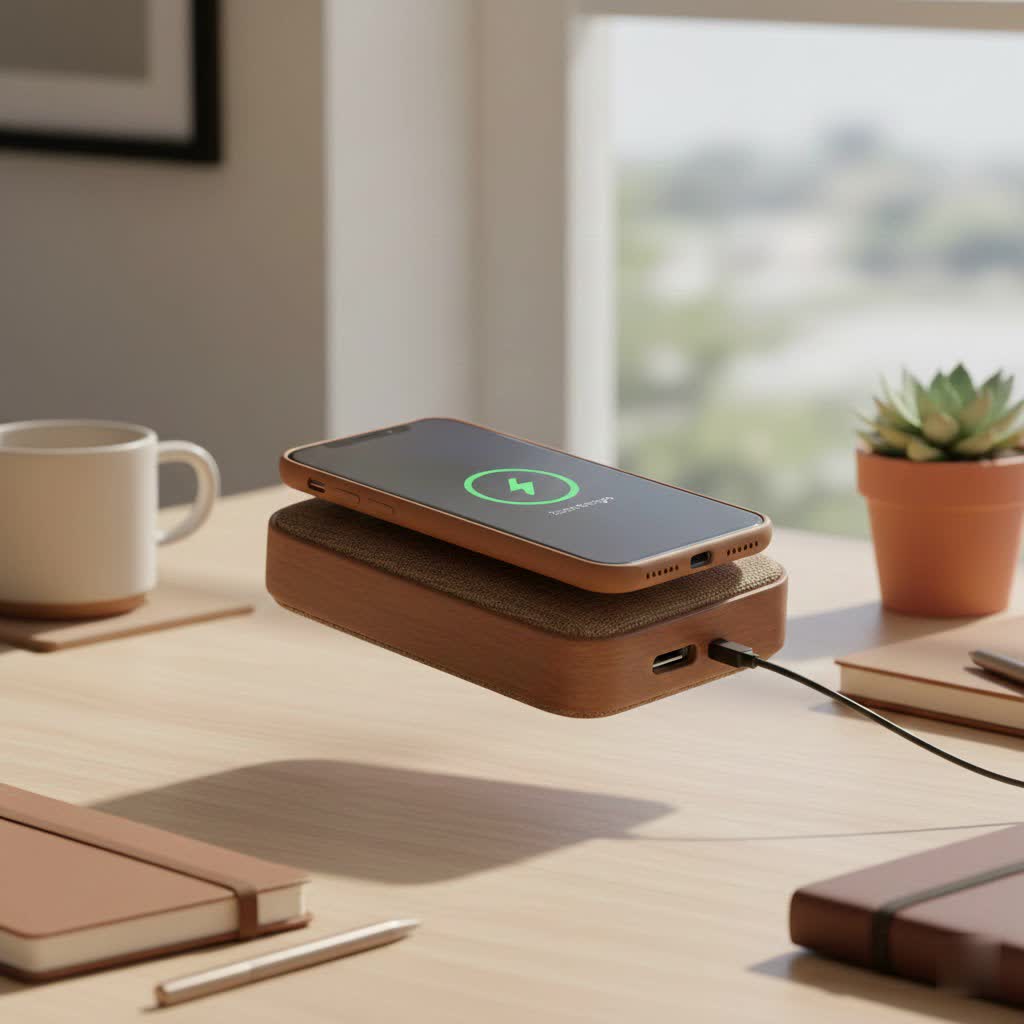
What is the Qi Standard? The Universal Language of Wireless Power
So, what exactly is Qi? Pronounced “chee” (like “energy flow” in Chinese), Qi is an open, universal standard for inductive power transfer developed by the Wireless Power Consortium (WPC). This global organization brings together hundreds of manufacturers, including tech giants like Apple, Google, and Samsung, all working towards a common goal: creating a truly interoperable and safe wireless charging experience. When you see the distinct Qi logo, it signifies that a device or charger adheres to these rigorous standards, ensuring compatibility and reliability across different brands.
The journey of Qi began in 2010 with its initial version, laying the groundwork for low-power inductive charging. Over the years, it has continuously evolved, expanding its capabilities and refining its technology to meet the growing demands of modern devices. This commitment to an open, evolving standard is what makes Qi the undisputed leader in wireless charging.
How Does Qi Wireless Charging Work? The Magic of Induction
At its core, Qi wireless charging operates on a fascinating scientific principle known as electromagnetic induction. Think of it as an invisible, magnetic bridge for power.
Here’s a simplified breakdown:
- The Charging Pad (Transmitter): Inside your Qi wireless charging pad or station, there’s a transmitting coil. When the charger is plugged into a power source, an electrical current flows through this coil, creating an oscillating magnetic field around it.
- Your Device (Receiver): Your Qi-enabled smartphone, earbuds, or smartwatch contains a smaller receiving coil. When you place your device onto the charging pad, its receiving coil comes into close proximity with the transmitter’s magnetic field.
- Power Transfer: This magnetic field induces an electrical current in your device’s receiving coil. This newly generated current is then converted into direct current (DC) and sent to your device’s battery, effectively charging it without any physical connection.
For optimal charging, precise alignment between the transmitting and receiving coils is traditionally crucial. However, the latest advancements in the Qi standard have made this process even more effortless.
The Evolution of Qi: From Baseline to Qi2 25W
The world of wireless charging is constantly advancing, and the Qi standard is leading the charge with significant innovations. From its humble beginnings offering low-power (below 5W) charging, Qi has steadily increased its capabilities:
- Extended Power Profile (EPP): This iteration allowed Qi chargers to deliver up to 15W of power, significantly speeding up charging times for compatible devices.
- Qi2 (2023): The Magnetic Revolution: A monumental leap forward, Qi2 incorporates the Magnetic Power Profile (MPP), inspired by Apple’s MagSafe technology. This innovation introduces a ring of magnets into both the charger and the device, ensuring perfect alignment every single time. This magnetic snap not only guarantees efficient power transfer but also provides a secure attachment, making it easier and more reliable to place your device correctly. Initial Qi2 devices support up to 15W charging, offering faster speeds and improved energy efficiency.
- Qi2 25W (July 2025): The Next Level of Speed: The very latest evolution, branded as Qi2 25W, pushes the boundaries further by supporting charging speeds of up to 25 watts. This means you can get your compatible smartphone from 0 to 50% battery in about 30 minutes, rivaling many wired fast chargers. As a leading expert in the field, I can attest that this faster power delivery, combined with the convenience of magnetic alignment, is a game-changer for daily use.
Why Choose a Qi Standard Wireless Charger? Unpacking the Benefits
Embracing Qi wireless charging offers a multitude of advantages that enhance your daily tech experience:
Convenience and Simplicity
|
Our Picks for the Best Wireless Charger in 2026
As an Amazon Associate I earn from qualifying purchases.
|
||
| Num | Product | Action |
|---|---|---|
| 1 | LỖI |

|
| 2 | [Apple MFi Certified]Magnetic Wireless iPhone Charger Magsafe Charger,6FT 15W Fast Phone Charging Pad Wireless Magnetic Charge for iPhone 17/17Air/16 Pro Max/16 Plus/15 Pro Max/14/13/12/AirPods3/2/Pro |
|
| 3 | NeverFall Car Phone Holder for MagSafe [78+LBS Ultra Grip - 2400gf Magnetic Power] 360° Foldable Car Mount Cell Phone Holders for Your Car for iPhone 17-12 and All Smartphones, Carbon Fiber |
|
| 4 | Magnetic Wireless Charger 15W Fast Mag Safe Charger for Cell iPhone 17 Pro Max/17 Pro/17 Air/17/16/15/14/13/12 Series 2 Pack Charging Pad for AirPods 3/2/Pro 2/Pro Mag-Safe Original Replacement |
|
| 5 | Samsung 15W Wireless Charger Single, Cordless Super Fast Charging Pad for Galaxy Phones and Devices, Compact Design, LED Indicator, USB C Cable Included, 2022, US Version, Grey |
|
| 6 | Magnetic Wireless Charger 15W Mag Safe Charger-Fast Charging Pad Compatible with iPhone17/16/15/14/13/12 Series & Airpods 2 3 Pro-LED Mag-Safe Pad with Dual Charging Ports Original Replacement(White) |
|
| 7 | INIU Wireless Charger, 15W Fast Qi Certified Wireless Charging Station with Sleep-Friendly Adaptive Light Compatible with iPhone 17 16 15 14 13 12 Pro Max Samsung Galaxy S25 S24 S23 Note 20 Google etc |
|
| 8 | Wireless Charger Samsung Fast Charging Pad for Samsung Galaxy S25 Ultra/S24 FE/S23 Ultra/S22/S21/Z Flip 6 5,15W Wireless Charging Station Charger Mat and QC Adapter for Google Pixel 9 8a 7a 8 7 Pro |
|
| 9 | [Apple MFi Certified]Magnetic Wireless Charger Apple Mag Safe Charger,15W 6FT Fast Wireless Charging Pad for Apple iPhone 16 Pro Max/16 Pro/16 Plus/15 Pro Max/14/13/12/AirPods3/2/Pro/Pro2,Charging Pad |
|
| 10 | Amazon Basics 15W Qi Certified Wireless Charging Pad for iPhone 16/15/14/13/12/11/X, Samsung and More, with USB Cable, Black |
|
The most apparent benefit is sheer convenience. Gone are the days of fumbling with cords in the dark or searching for the right cable. With a Qi charger, you simply place your device down, and charging begins. Imagine setting your phone on your bedside table or desk, knowing it’s powering up without a second thought.
Durability: Reduced Wear and Tear
Constantly plugging and unplugging cables takes a toll on your device’s charging port, leading to wear, tear, and potential damage over time. Qi charging eliminates this physical interaction, extending the lifespan of your device’s port and cables. This also contributes to reducing electronic waste, a small but significant step towards sustainability.
Universal Compatibility
One of Qi’s strongest suits is its widespread adoption. As a global standard, any Qi-certified device can typically charge on any Qi-certified charger, regardless of the brand. This interoperability means you don’t need a different charger for your Samsung phone, Apple AirPods, or Google Pixel – a single Qi charging pad can power them all. This is a huge win for multi-device households.
Enhanced Safety and Certification
Safety is paramount in power delivery, and the WPC ensures that all Qi-certified products undergo rigorous testing. These tests cover crucial aspects like Foreign Object Detection (FOD), which prevents heating caused by metal objects (like keys or coins) inadvertently placed on the charging pad. Furthermore, certified chargers feature intelligent thermal regulation systems to prevent your device from overheating, safeguarding its battery and internal components.
Sleek Design, Reduced Clutter
Wireless charging pads often boast minimalist designs that blend seamlessly into any environment. By eliminating cable clutter, your workspace, bedside table, or kitchen counter can appear much tidier and more organized.
Addressing the Nuances: What to Consider
While Qi wireless charging offers undeniable benefits, it’s also important to have a balanced view and understand some of its characteristics:
- Charging Speed: Historically, wireless charging was slower than wired. However, with the advent of Qi2 (15W) and especially Qi2 25W, the gap is rapidly closing. For those prioritizing ultra-fast charging, specialized high-wattage wired chargers may still offer a slight edge, but for most daily charging needs, modern Qi is more than sufficient.
- Heat Generation: All charging generates some heat. While Qi-certified chargers are designed with thermal management to prevent overheating, you might notice your device getting slightly warm during wireless charging. This is usually normal. If it gets excessively hot, ensure proper alignment and check for obstructions.
- The Role of Phone Cases: Thick phone cases, especially those made of metal or with metal components (like magnetic plates for car mounts, or pop sockets with metallic bases), can interfere with the electromagnetic transfer, reducing charging efficiency or preventing charging altogether. For best results, use a Qi-compatible case or temporarily remove it.
- Limited Range: Inductive charging requires close proximity. Your device needs to be placed directly on the charging pad or within a few centimeters (typically up to 4 cm or 1.6 inches) for power transfer to occur. Unlike true “over-the-air” wireless power, you can’t wander freely while charging.
Qi vs. MagSafe: A Clearer Picture with Qi2
Before Qi2, Apple’s MagSafe was often seen as a separate, proprietary magnetic wireless charging technology. It offered magnetic alignment and 15W charging exclusively for compatible iPhones. Now, with the introduction of Qi2, the lines have blurred, largely for the better.
Qi2 has effectively integrated the best features of MagSafe, specifically its Magnetic Power Profile (MPP), into the open Qi standard. This means:
- Magnetic Alignment for All: Qi2 brings the satisfying magnetic snap and perfect alignment to a broader ecosystem of devices, not just iPhones.
- Matching Speeds: Qi2 chargers can deliver 15W to compatible devices, on par with MagSafe’s original capabilities. And with Qi2 25W, the standard now offers even faster speeds, matching Apple’s latest 25W MagSafe chargers for the iPhone 16 series.
- Broader Compatibility: While MagSafe remains tied to Apple’s ecosystem, Qi2 extends similar magnetic charging benefits to Android devices, like the Google Pixel 10 range with its built-in Qi2 MPP magnets. This makes Qi2 a truly universal, magnetically aligned wireless charging solution.
Is Your Device Qi-Enabled? Checking Compatibility
The good news is that most modern smartphones released in the last few years support Qi wireless charging. This includes:
- Apple: iPhone 8 and newer models (including iPhone X, 11, 12, 13, 14, 15, and 16 series), with iPhone 13, 14, 15, and 16 models supporting Qi2.
- Samsung: Galaxy S6 and newer (S20, S21, S22, S23, S24 series), Galaxy Note 5 and newer, and Galaxy Z Fold/Flip series. Many newer Samsung phones are also “Qi2 Ready” with a compatible magnetic case.
- Google: Nexus 4-6, Pixel 3 through 9 series, and Pixel Fold (with Pixel 10 range featuring built-in Qi2 MPP magnets).
- LG, Sony, Huawei, OnePlus: Many flagship models from these brands also incorporate Qi wireless charging.
To verify if your specific device is Qi-enabled, check your user manual, the manufacturer’s official website, or look for the distinctive Qi logo on your device or its packaging. When in doubt, a quick online search for your specific phone model and “Qi wireless charging” should provide a definitive answer.
Troubleshooting Common Qi Wireless Charging Issues
Even with such robust technology, you might occasionally encounter minor hiccups. Here are some quick troubleshooting tips:
- Re-align Your Device: This is the most common fix. Ensure your device is centered precisely on the charging pad. Qi2’s magnetic alignment significantly reduces this issue, but older Qi chargers might still require careful placement.
- Remove Your Phone Case: If your case is thick or contains metal, it could be interfering. Try charging without the case.
- Check the Power Source: Ensure your wireless charger is plugged into a functional wall outlet or a power adapter with sufficient wattage (check the charger’s manual for recommendations). Sometimes a weak power source is the culprit for slow or non-existent charging.
- Restart Your Device: A simple reboot can often resolve minor software glitches that might be preventing wireless charging.
- Look for Foreign Objects: Ensure there are no metal objects (coins, credit cards, keys) between your device and the charging pad.
“The widespread adoption of Qi2 and its focus on magnetic alignment and higher power delivery are monumental steps. Consumers should always prioritize Qi-certified products to guarantee safety, interoperability, and the best charging experience,” advises Dr. Elena Petrova, Lead Engineer for Wireless Power Solutions at Rbxyz Labs.
FAQ About Qi Standard Wireless Chargers
1. Is Qi the same as wireless charging?
No, wireless charging is a broad term for any technology that transfers power without cables. Qi is a specific, globally recognized standard for wireless charging, defining how devices and chargers communicate and transfer power safely and efficiently. All Qi charging is wireless charging, but not all wireless charging adheres to the Qi standard.
2. How do I know if my phone has Qi wireless charging?
Check your phone’s user manual or the manufacturer’s official website under specifications. Look for “Qi-enabled” or “wireless charging.” Many devices also feature the Qi logo on their back or packaging. You can also simply place your phone on a known working Qi charger; if it starts charging, it’s compatible.
3. How do I turn on Qi charging on my device?
For most modern smartphones, Qi wireless charging is enabled by default. Simply connect your Qi charger to a power outlet and place your Qi-enabled phone on the charging surface. Your phone’s screen should indicate charging has begun (e.g., a charging icon or chime). No special settings usually need to be activated.
4. What is the difference between Qi and Qi2?
Qi2 is the latest evolution of the Qi standard, officially released in 2023 by the WPC. The main difference is that Qi2 incorporates the Magnetic Power Profile (MPP), which provides magnetic alignment and attachment for more efficient and reliable charging, similar to Apple’s MagSafe. Qi2 supports up to 15W, with a newer Qi2 25W version offering up to 25W.
5. Can I use a regular Qi charger with a Qi2-enabled phone?
Yes, Qi2 is designed to be backward compatible with older Qi chargers. However, you will only get the basic Qi charging speed (typically 5W or 7.5W) and will not benefit from the magnetic alignment feature or the faster 15W/25W speeds that Qi2 chargers provide.
6. Is wireless charging bad for my phone’s battery?
No, Qi-certified wireless chargers include advanced safety features like temperature regulation, foreign object detection, and overcharge protection. These mechanisms are designed to protect your battery from excessive heat and stress, ensuring optimal battery health over time. In fact, by eliminating physical connection, it can reduce wear on your charging port.
7. What is the Wireless Power Consortium (WPC)?
The WPC is a global, open-industry standards group responsible for developing and maintaining the Qi wireless charging standard. Their mission is to create universal, interoperable, and safe wireless power solutions, fostering widespread adoption through certification programs and ongoing technological development.
Unlocking the Future of Power with Qi
The Qi standard wireless charger represents more than just a convenient way to power your devices; it embodies a future where energy flows seamlessly, safely, and efficiently. From its foundational principles of electromagnetic induction to the groundbreaking magnetic alignment of Qi2 and the rapid speeds of Qi2 25W, this technology continues to evolve, promising an even more integrated and clutter-free experience.
As pioneers and educators in the wireless charging space at rbxyz.com, we are excited to see how Qi continues to shape our digital lives. By understanding this robust standard, you can confidently choose devices and chargers that enhance your convenience, protect your investments, and contribute to a more sustainable tech future. Embrace the power of Qi and experience charging redefined!
