Tired of tangled cables and slow charging speeds? In our always-on world, waiting around for your phone to power up simply isn’t an option. That’s where the 15w Wireless Charger steps in, offering a significant leap in convenience and efficiency. It’s not just about cutting the cord; it’s about embracing a faster, smarter way to keep your devices ready for anything. As a seasoned expert in wireless charging technology and a content creator for Rbxyz.com, I’m here to demystify 15W wireless charging, helping you understand its benefits, compatibility, and how to choose the best one for your lifestyle.
What Exactly is 15W Wireless Charging?
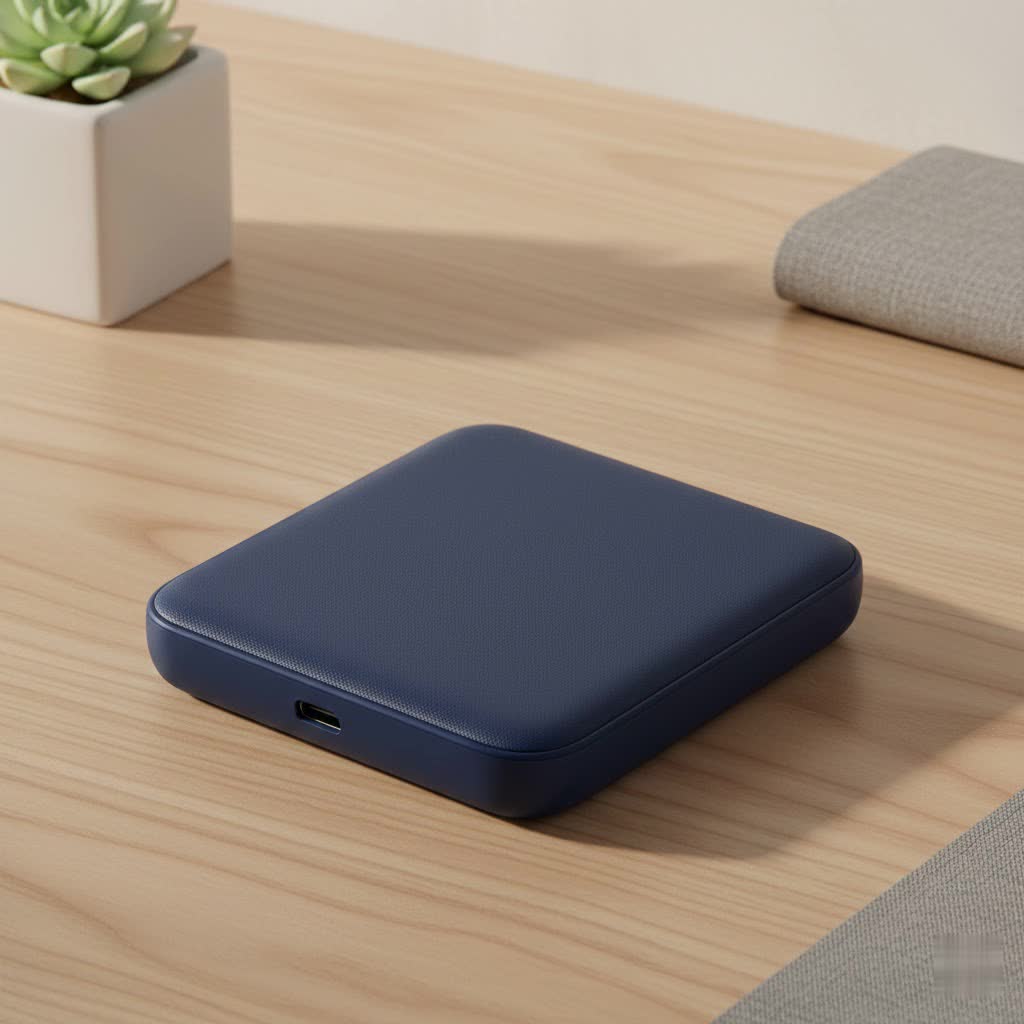
At its core, wireless charging uses electromagnetic induction to transfer power between a charging pad (transmitter) and your device (receiver) without any physical connection. Think of it like a miniature, personal energy field. The “15W” refers to the maximum power output the charger can deliver. This is a substantial upgrade from earlier 5W or even 7.5W wireless chargers, moving you from a leisurely trickle charge to a noticeably quicker power-up.
This enhanced speed largely comes down to advancements in standards, primarily the widely adopted Qi standard, and its newer iteration, Qi2. Qi2, which became a modern standard, builds on the original by adding magnetic alignment, ensuring your device is perfectly positioned for optimal and consistent 15W charging efficiency.
Is a 15W Wireless Charger Really Faster? Understanding the Speed Advantage
Yes, a 15W wireless charger is indeed faster, but the real-world difference depends heavily on your device’s capabilities and the charger’s quality. For compatible phones, you can expect a meaningful reduction in charging time. Many newer devices, for instance, can go from 0% to 50% in just about 30 minutes with a robust 15W setup. Compared to a 10W charger, a 15W variant can shave off approximately 20 minutes from a full charge cycle, which can be a game-changer when you need a quick power boost during your busy day.
However, the advertised 15W output isn’t a guarantee of speed if your setup isn’t optimized. For your device to truly harness 15W charging, you need a high-quality 15W wireless charger paired with a powerful wall adapter, often an 18W or higher Power Delivery (PD) charger. A weaker adapter can bottleneck the performance, meaning you might not achieve the full 15W speeds.
Device Compatibility: Will Your Phone Get the Full 15W?
Understanding compatibility is crucial, as not all devices can accept 15W wireless power.
iPhone Users: The MagSafe & Qi2 Connection
|
Our Picks for the Best Wireless Charger in 2026
As an Amazon Associate I earn from qualifying purchases.
|
||
| Num | Product | Action |
|---|---|---|
| 1 | INIU Wireless Charger, 15W Fast Qi Certified Wireless Charging Station with Sleep-Friendly Adaptive Light Compatible with iPhone 17 16 15 14 13 12 Pro Max Samsung Galaxy S25 S24 S23 Note 20 Google etc |

|
| 2 | [Apple MFi Certified]Magnetic Wireless iPhone Charger Magsafe Charger,6FT 15W Fast Phone Charging Pad Wireless Magnetic Charge for iPhone 17/17Air/16 Pro Max/16 Plus/15 Pro Max/14/13/12/AirPods3/2/Pro |
|
| 3 | [Apple MFi Certified]Magnetic Wireless Charger Apple Mag Safe Charger,15W 6FT Fast Wireless Charging Pad for Apple iPhone 16 Pro Max/16 Pro/16 Plus/15 Pro Max/14/13/12/AirPods3/2/Pro/Pro2,Charging Pad |
|
| 4 | Samsung 15W Wireless Charger Single, Cordless Super Fast Charging Pad for Galaxy Phones and Devices, Compact Design, LED Indicator, USB C Cable Included, 2022, US Version, Grey |
|
| 5 | LỖI |
|
| 6 | Wireless Charger Samsung Fast Charging Pad for Samsung Galaxy S25 Ultra/S24 FE/S23 Ultra/S22/S21/Z Flip 6 5,15W Wireless Charging Station Charger Mat and QC Adapter for Google Pixel 9 8a 7a 8 7 Pro |
|
| 7 | Magnetic Wireless Charger 15W Fast Mag Safe Charger for Cell iPhone 17 Pro Max/17 Pro/17 Air/17/16/15/14/13/12 Series 2 Pack Charging Pad for AirPods 3/2/Pro 2/Pro Mag-Safe Original Replacement |
|
| 8 | NeverFall Car Phone Holder for MagSafe [78+LBS Ultra Grip - 2400gf Magnetic Power] 360° Foldable Car Mount Cell Phone Holders for Your Car for iPhone 17-12 and All Smartphones, Carbon Fiber |
|
| 9 | Amazon Basics 15W Qi Certified Wireless Charging Pad for iPhone 16/15/14/13/12/11/X, Samsung and More, with USB Cable, Black |
|
| 10 | Magnetic Wireless Charger 15W Mag Safe Charger-Fast Charging Pad Compatible with iPhone17/16/15/14/13/12 Series & Airpods 2 3 Pro-LED Mag-Safe Pad with Dual Charging Ports Original Replacement(White) |
|
For iPhone users, the journey to 15W wireless charging has a few nuances. If you own an iPhone 12, 13, or 14, you can achieve 15W wireless charging speeds, but only with an Apple MagSafe charger or a Qi2 certified charger that incorporates magnetic alignment. This ensures perfect coil alignment for maximum power transfer. However, for older iPhone models, specifically the iPhone 8 through 11, the wireless charging input is typically capped at 7.5W. This means even if you place them on a 15W charger, they won’t charge any faster than 7.5W. The latest iPhone 15 and newer models fully support 15W Qi2, making them ideal partners for these faster chargers.
Android Devices: Broad Support for 15W
Many Android flagship devices have embraced 15W wireless charging for quite some time. Brands like Samsung, with models such as the Galaxy S21, S22, S25, and various Note series, are well-known for supporting 15W speeds. Similarly, devices from Google, OnePlus, and Xiaomi often feature 15W wireless charging capabilities, though it’s always wise to check your specific phone’s specifications to confirm its maximum supported wattage. The growing adoption of Qi2 in Android phones further standardizes this faster charging experience.
Beyond Speed: The Benefits of Upgrading to 15W Wireless Charging
While speed is a primary draw, the advantages of a 15W wireless charger extend far beyond getting powered up quickly.
- Unmatched Convenience: Simply place your phone on the pad or stand, and charging begins. No more fumbling with cables in the dark or wrestling with worn-out ports. It’s a seamless integration into your daily routine.
- Clutter-Free Environment: Ditch the mess of cables on your desk or nightstand. A sleek wireless charger keeps your space tidy and organized.
- Future-Proofing Your Setup: As technology evolves, 15W (and the Qi2 standard) is becoming the new baseline for efficient wireless charging. Investing in a 15W charger now ensures compatibility with many future devices.
- Reduced Port Wear and Tear: Constantly plugging and unplugging cables can stress your device’s charging port over time. Wireless charging eliminates this physical wear, potentially prolonging the life of your phone’s port.
- Seamless Integration: From your office desk to your bedside table, a 15W wireless charger fits effortlessly into any environment, always ready to give your device the power it needs.
Addressing Concerns: Is 15W Wireless Charging Safe?
Safety is a paramount concern with any electronic device, and wireless chargers are no exception. Rest assured, modern 15W wireless chargers, especially those certified by the Wireless Power Consortium (WPC) with Qi or Qi2 standards, are designed with multiple safety protocols to protect both you and your devices.
Heat Generation: Normal and Managed
It’s true that wireless charging can generate some heat, which is a natural byproduct of energy transfer. You’ll notice a similar warmth with wired fast charging as well. However, certified 15W wireless chargers incorporate advanced temperature monitoring systems. These sensors automatically reduce power or even temporarily halt charging if temperatures exceed safe thresholds, preventing damage to your device or the charger. For optimal long-term battery health, especially if you charge overnight, some experts suggest that a slower 7.5W or 10W charge might be marginally gentler on your battery over many years.
Electromagnetic Fields (EMF): Low and Harmless
Concerns about electromagnetic fields (EMF) are common with wireless technologies. However, the EMF levels emitted by 15W wireless chargers are extremely low and generally considered harmless. They are comparable to the weak signals from your home Wi-Fi router or Bluetooth devices. Certified chargers operate within safe frequency ranges (110 to 205 kHz) and adhere to strict international guidelines, meaning you can comfortably use them on your bedside table without worry.
Foreign Object Detection (FOD): A Crucial Safety Feature
One of the most important safety features in Qi and Qi2 certified chargers is Foreign Object Detection (FOD). This intelligent system detects metal objects like coins, keys, or credit cards placed between the charger and your device. If such an object is detected, the charger will either prevent charging from starting or immediately stop it to prevent dangerous heating of the foreign object, which could pose a fire risk.
Choosing the Right 15W Wireless Charger for You
Navigating the market for a 15W wireless charger can feel overwhelming with countless options available. Here’s what to prioritize:
Qi/Qi2 Certification: Your Guarantee of Safety and Performance
Always look for the official Qi or Qi2 logo. This certification from the Wireless Power Consortium ensures the charger meets rigorous safety, compatibility, and efficiency standards. Many non-certified chargers might claim “15W compatible” but could lack essential safety features or fail to deliver consistent power.
The Power Adapter Matters: Don’t Skimp on the Brick
A 15W wireless charger needs adequate input power. Many chargers don’t include a wall adapter, so ensure you pair it with an 18W or 20W USB-C Power Delivery (PD) adapter to achieve optimal 15W speeds. Using a lower-wattage adapter will result in slower charging.
Design and Form Factor: Pad, Stand, or Multi-Device?
Consider your needs and where you’ll be using the charger:
- Pads: Flat, discreet, great for nightstands or blending into decor.
- Stands: Keep your phone upright, perfect for desks, allowing you to view notifications or make video calls while charging.
- Multi-Device Chargers: Ideal for powering your phone, earbuds, and smartwatch simultaneously, reducing clutter even further. Brands like Anker MagGo and Belkin BoostCharge Pro offer excellent multi-device solutions.
Reputable Brands and Reviews: Trust the Experts
Stick with well-known brands that have a track record of quality and safety. Anker, Belkin, Nomad, INIU, TOZO, and Spigen are consistently rated highly for their reliable 15W wireless chargers. Reading reviews from verified users can also provide valuable insights into real-world performance and durability.
Expert Insight
“15W wireless charging isn’t just about speed; it’s about seamlessly integrating power into your daily life with robust safety protocols,” observes Clara Jensen, a lead engineer in mobile power solutions. “The evolution of standards like Qi2 ensures both efficiency and peace of mind.”
Tips for Optimizing Your 15W Wireless Charging Experience
To get the most out of your 15W wireless charger, keep these tips in mind:
- Proper Phone Alignment: Especially with non-magnetic chargers, ensure your phone is centered precisely on the charging pad. Misalignment can significantly reduce charging efficiency and speed. Qi2 chargers with magnetic alignment simplify this.
- Case Thickness Considerations: While most wireless chargers work through standard phone cases (up to about 3mm thick), very thick cases or cases with metal components can hinder charging or trigger FOD.
- Use the Correct Power Adapter: As mentioned, always use a compatible wall adapter that provides sufficient wattage (18W+ PD) to ensure your 15W charger can deliver its full potential.
Frequently Asked Questions
Q: Can I use a 15W charger with an older phone that only supports 7.5W?
A: Yes, you can. A certified 15W charger will automatically adjust its power output to the maximum wattage your phone can safely accept, so your older phone will charge at its supported 7.5W speed.
Q: Do all 15W wireless chargers come with a power adapter?
A: No, many high-quality 15W wireless chargers are sold without a wall adapter. Always check the product description to see if an adapter is included and purchase a suitable 18W or 20W PD adapter if needed.
Q: Is 15W wireless charging bad for battery health in the long run?
A: When using certified chargers, 15W wireless charging is generally not harmful to battery health. Modern smartphones and chargers have intelligent battery management systems that prevent overcharging and manage heat. For overnight charging, a slightly slower rate might offer marginal long-term benefits but isn’t a critical concern for most users.
Q: What’s the main difference between Qi and Qi2?
A: Qi2 is the evolution of the Qi standard, bringing standardized 15W charging with magnetic alignment. This magnetic feature ensures perfect positioning for optimal efficiency and improved reliability, especially for devices like newer iPhones that leverage MagSafe technology.
Q: How do I know if my phone supports 15W wireless charging?
A: The best way to check is to consult your phone’s official specifications or the manufacturer’s website. Look for information on “wireless charging speed” or “Qi/Qi2 support.”
Conclusion
The 15W wireless charger represents the sweet spot for modern wireless power, offering a blend of rapid charging, unparalleled convenience, and robust safety features. It’s an investment in a smoother, more efficient digital life, freeing you from the tether of cables and ensuring your devices are always ready when you are. By understanding compatibility, prioritizing certified products, and optimizing your setup, you can confidently embrace the future of power. We at Rbxyz.com are committed to being your trusted source for all things wireless charging, helping you make informed decisions to power your world safely and effectively.
